EN
EN FR
FR

By ToI Staff, Leon Kraiem and Jacob Magid,
VP lambasts Israeli ministers who called on Netanyahu to disregard accord, insists Iran won’t get relief without final deal. Scolds Israel: ‘You can’t just kill your way out of solving every problem’
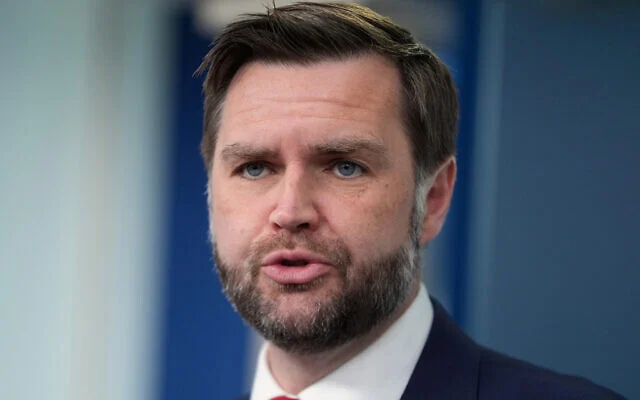
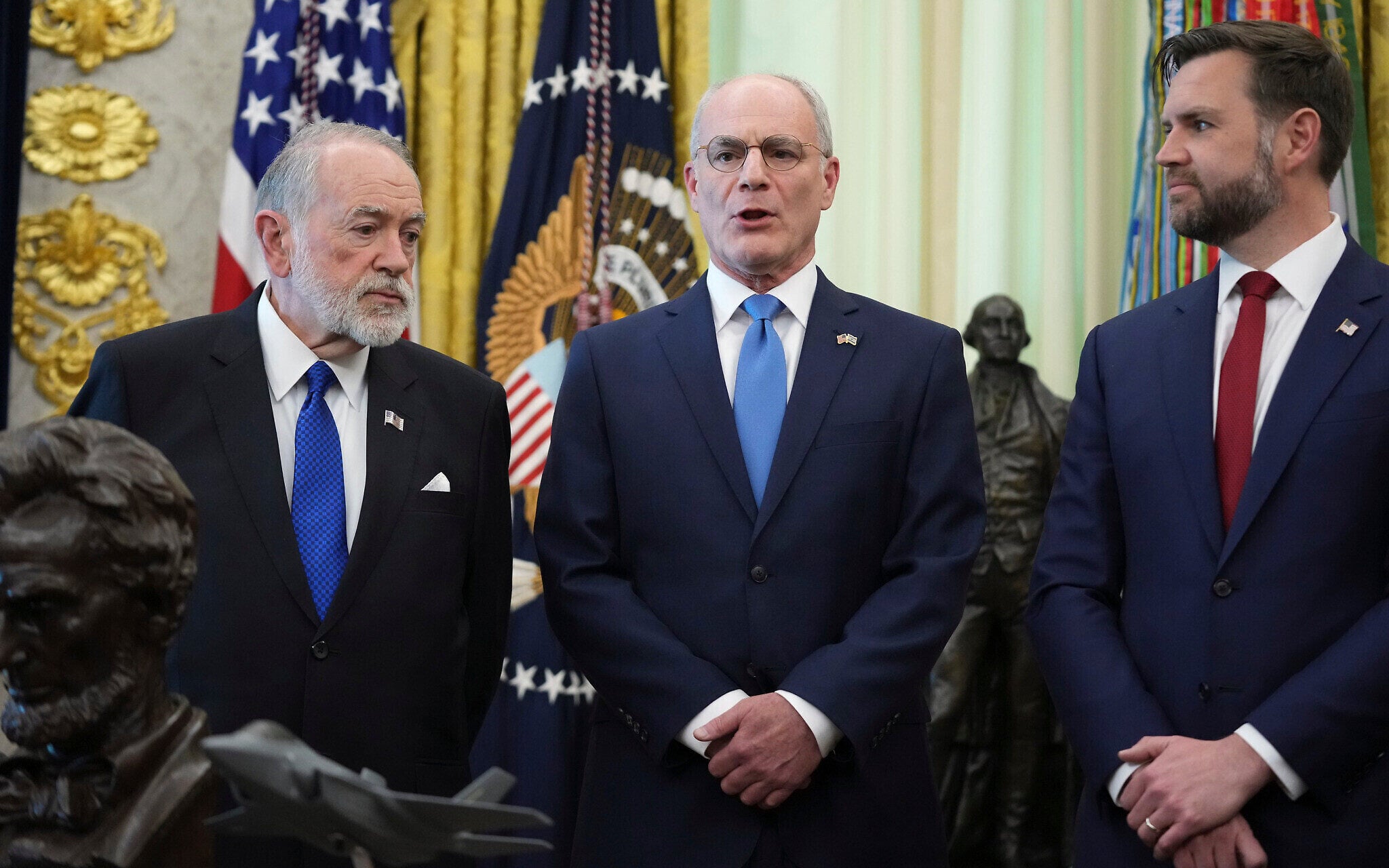
US Vice President JD Vance castigated Israeli officials on Thursday for not backing the US’s nuclear deal with Iran, accusing far-right cabinet ministers of lacking appreciation for American support, as he made the case for the newly signed memorandum of understanding at a White House press briefing.
“You have seen people within Bibi’s cabinet, who have come out and attacked the deal, and in some ways very personally attacked the president of the United States,” he told reporters, using a nickname for Prime Minister Benjamin Netanyahu, whom he exempted from his explicit ire.
“Number one, Donald J. Trump is the only head of state in the entire world who is sympathetic to the nation of Israel at this moment in time. And he happens to be the head of state of the world’s superpower,” Vance said.
“If I was in the cabinet of the Israeli government, I might not be attacking the only powerful ally that I have anywhere left in the entire world.”
“The other thing that I would say is that over the last three months, two thirds of the defensive weapons that have protected your homeland, have been built by American hands and paid for by American tax dollars,” he said.
“The problem for Israel is not Donald J. Trump. And anybody in Israel who thinks their biggest problem is the president of the United States needs to wake up and smell the reality of the situation that country is in,” Vance concluded.
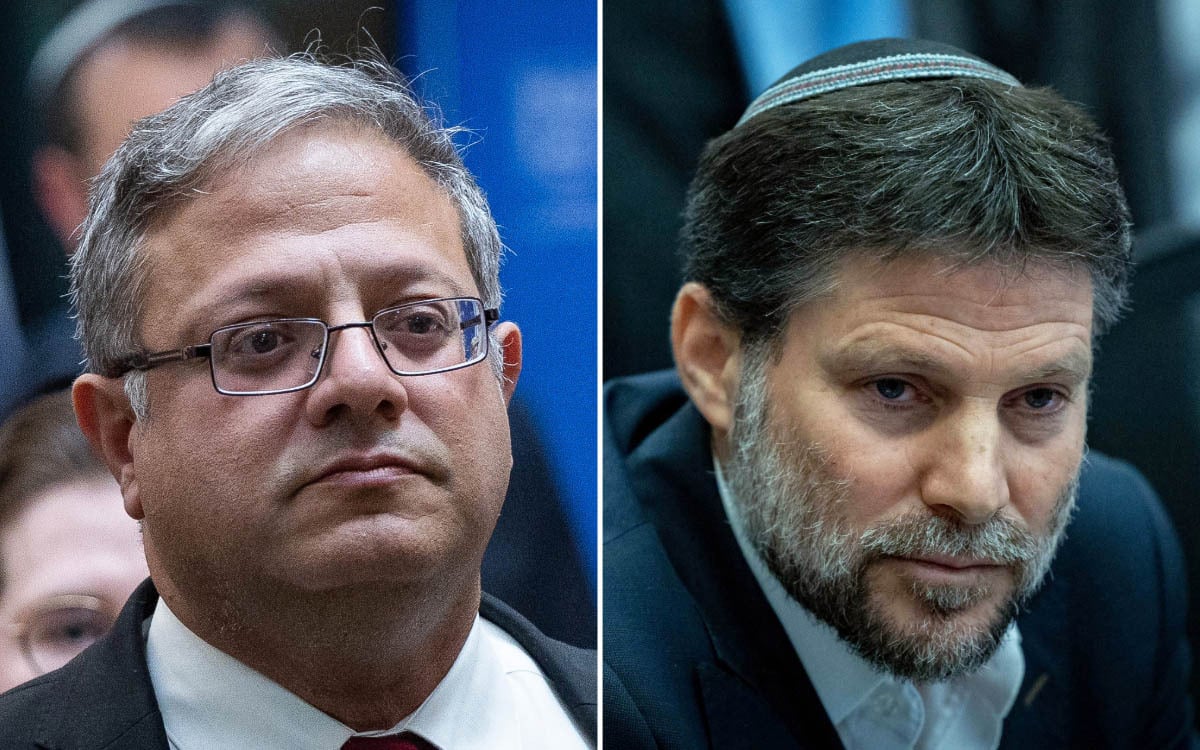
Vance’s comments referred to Finance Minister Bezalel Smotrich and National Security Minister Itamar Ben Gvir, far-right partners of Netanyahu who have both called for Israel to disregard the terms of the deal, describing it as a danger to the country’s security.
Anybody in Israel who thinks their biggest problem is the president of the United States needs to wake up and smell the reality of the situation that country is in
‘You can’t just kill your way out of solving every problem’
Earlier, Vance told The New York Times that he found “this whole freakout in Israel a little bit odd,” suggesting that concern over the deal came from unjustified mistrust of the US.
“It’s clear that large segments of the Israeli political system and population are very sensitive about this deal,” he said. “But I also think they’re picking up on some misinformation about the deal and running with it and sort of panicking about it.”
WATCH: JD Vance blasts Ben-Gvir and Smotrich:
You’ve seen people in their system, Ben-Gvir and Smotrich, who’ve attacked the deal.
And I guess my response to them would be: What is your exact proposal?
You’re a country of 9 million people. You can’t just kill your way out of… pic.twitter.com/S1V2bEwGBX
— Clash Report (@clashreport) June 18, 2026
Asked how he’d respond to the ministers, Vance said: “I guess my response to them would be: What is your exact proposal? You’re a country of nine million people. You can’t just kill your way out of solving every single national security problem that you have.”
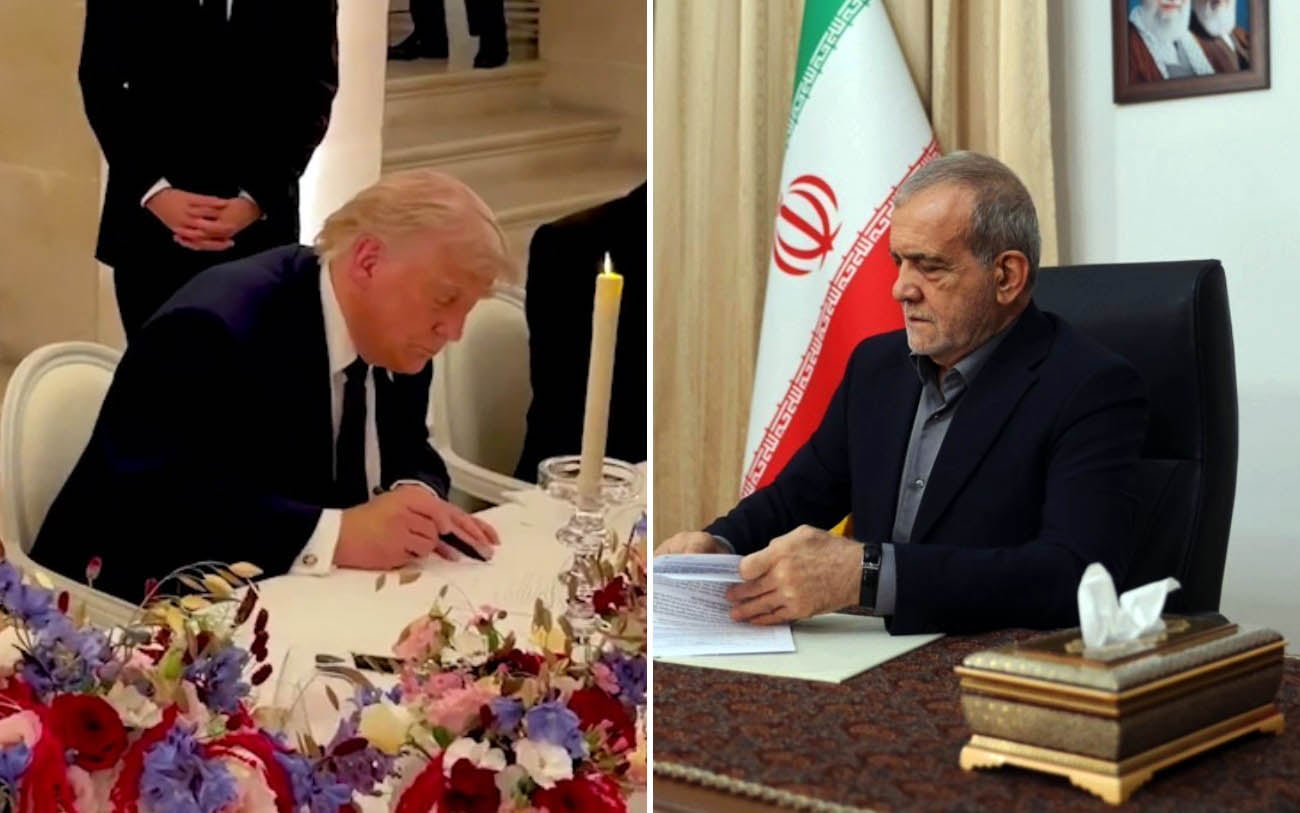
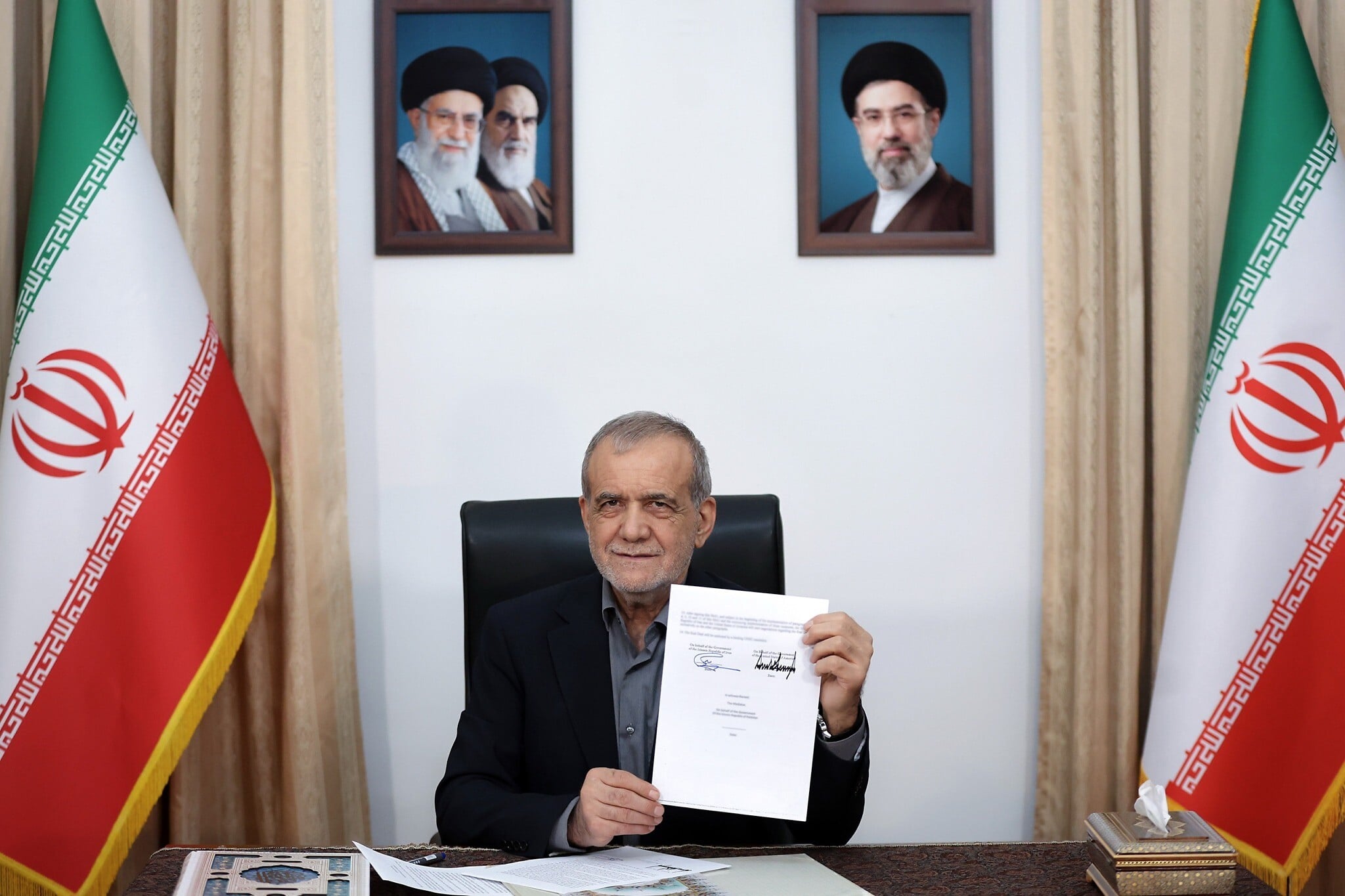
Trump and Iranian President Masoud Pezeshkian signed the MOU on Wednesday, two days earlier than originally envisioned.
With the deal in effect, Tehran obtained large-scale economic relief and agreed in principle to a subsequent dilution of its enriched uranium.
However, the MOU did not resolve any of the war goals declared by the US and Israel following their joint strikes that kicked off the war in February. Rather, it pushed off discussion of Iran’s nuclear program and other core issues to a 60-day negotiation period, which Vance said began on Thursday.
60-day clock starts
Some officials have suggested that the first round of talks will be held on Friday, with others sufficing with an unspecified time over the weekend.
Vance said that it’s difficult for Iranian officials to get out of the country, indicating that the meeting may take more time to get together.
The vice president appeared to differentiate between technical talks and ones with the more political leaders — the latter of which he plans to attend.
He said he still plans to go to Switzerland this weekend for the talks, but that this could change.
The US and Iran have treated Israel as subject to the MOU, as well as to previous ceasefire agreements between the two states, even though Jerusalem – which launched the war against Iran together with the US on February 28 – was not included in the negotiations.
Netanyahu himself has avoided directly criticizing the agreement, and most government officials have refrained from explicit pushback.
In Lebanon, ‘both sides have to honor their end of the deal’
Even the premier, however, has publicly rejected Iran’s contention that the Israel Defense Forces must withdraw from Lebanon. The IDF on Thursday confirmed it would remain there for the time being, sharing a map of the areas in which troops are operating.
Asked about Lebanon, the vice president said that he still expects some conflict between Israel and the Hezbollah terror group there but that he hopes both abide by the deal.
“We expect Hezbollah is not going to be firing rockets and firing drones at the Israelis. But we also expect that the Israelis are not going to be going wild in Lebanon,” he said. “Both sides have to honor their end of the deal.”
Trump later declared, “We expect a complete ceasefire on all fronts, including Lebanon, Hezbollah and Israel.”
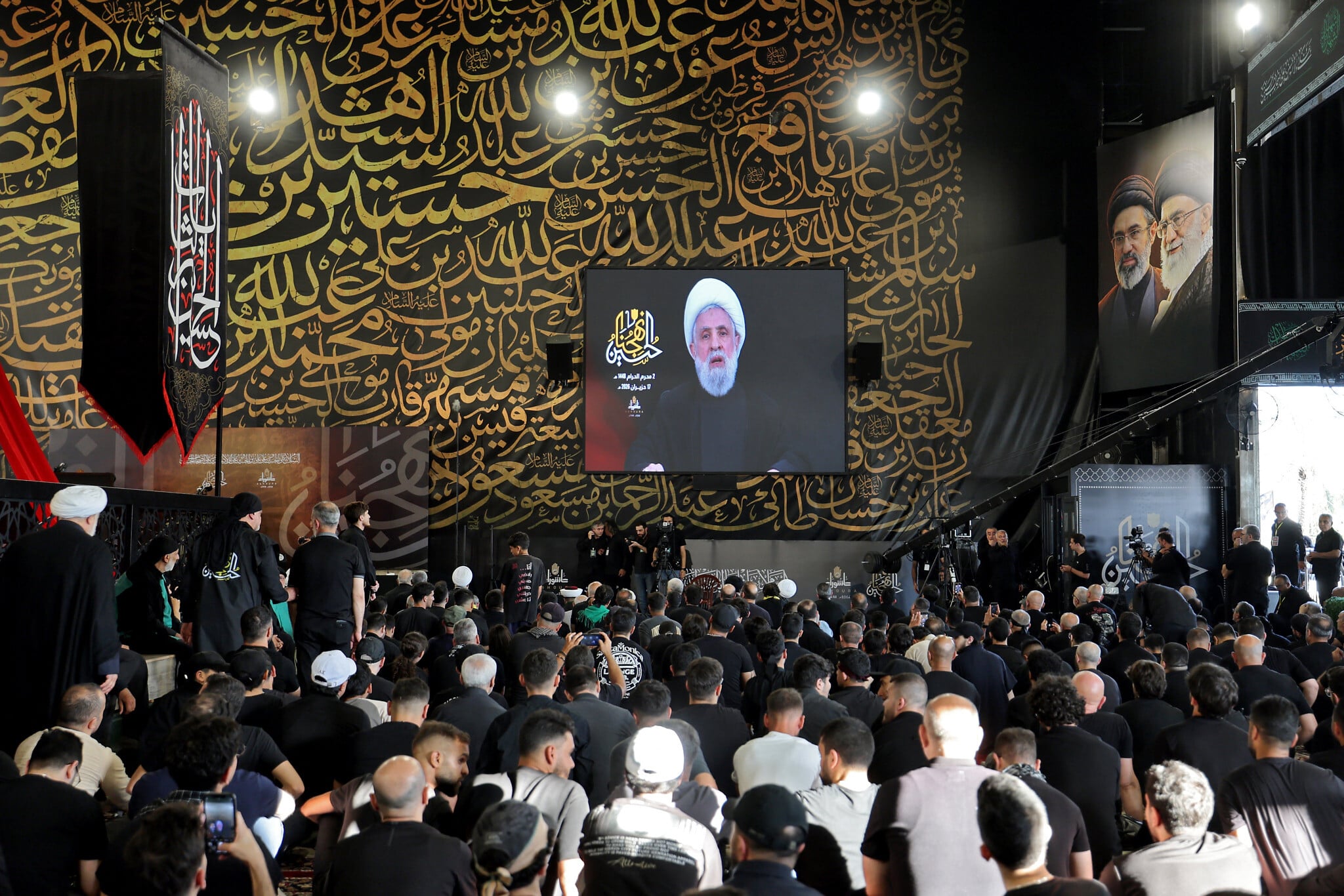
The current round of major fighting in Lebanon started on March 2, when Hezbollah attacked the Jewish state in support of Iran, the terror group’s backer.
Since March, Israeli ground troops have been operating in the south of Lebanon, in a campaign aimed at securing Israeli communities close to the countries’ border.
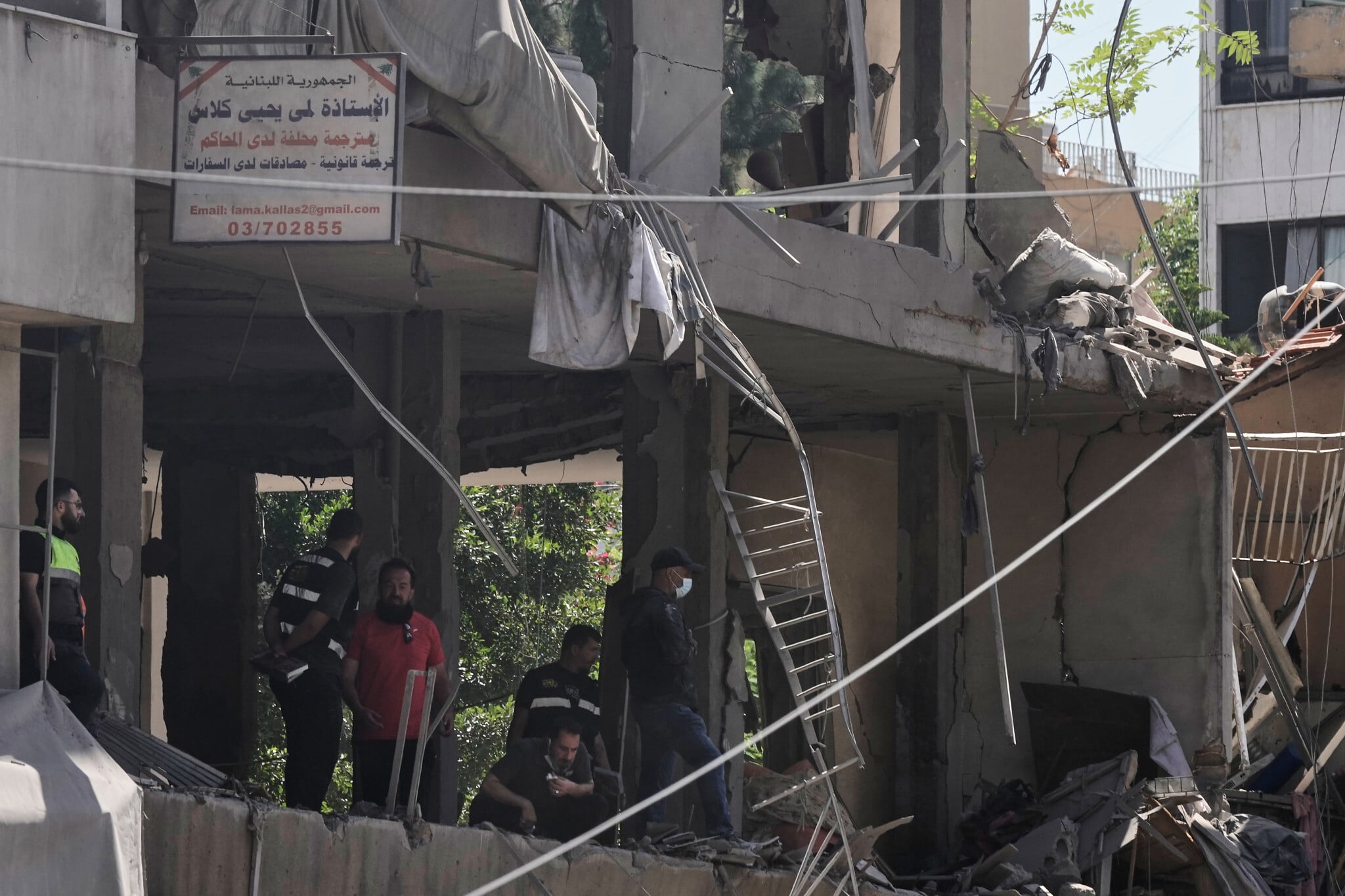
Though deadly combat has continued in the south despite a nominal truce, Israel has mostly refrained from striking targets in Beirut, including Hezbollah’s stronghold in the city’s southern suburb.
In recent weeks, however, the IDF has struck in Beirut twice, both times in response to Hezbollah rocket fire on northern Israel. Trump was reportedly enraged by the development, and has confirmed hurling expletives at Netanyahu over it. After the first of the two strikes, Iran directly attacked Israel with missiles, leading to Israeli retaliation and threatening to unravel the ceasefire altogether.
Vance said that while “Israel has the right to defend itself,” Jerusalem must nevertheless “respect this peace process.”
He said: “What the president gets very frustrated [with] sometimes is that we seem to be right on the cusp of a major breakthrough in the agreement, and then all of a sudden, there’s a major explosion that goes off in a civilian population center in Beirut, and a lot of people who have nothing to do with Hezbollah lose their lives. That’s not acceptable.”
Vance spent much of the press conference making the case for the MOU, which he helped negotiate.
The most controversial points of the memorandum have been around oil sales, sanctions relief and a $300 billion reconstruction fund for Iran, while there is no firm program for destroying Iran’s nuclear program.
Vance said Iran would only get the rewards if it proves that it has complied with the terms that will be hammered out in a 60-day period that he said began on Thursday.
‘Words don’t matter, we’re about verification’
“There’s a lot of discussion — the MoU, the gentleman’s agreements, the final deal. Words don’t matter, ladies and gentlemen, we’re about verification,” the vice president said.
He added that oil prices were falling, and said the US had lifted its blockade of Iran.
The US military “has allowed north of a dozen ships to go through our naval blockade, and so we’re also honoring our end of the early part of the agreement,” Vance told journalists.
The administration has been accused of giving Iran a lifeline by allowing it to freely sell oil.
Vance took issue with that description: “Their economy is in a freefall. They have sky-high inflation. And fundamentally, about a trillion dollars of damage to their industrial base was caused over the last 3 months.”
“The idea that selling a few million dollars’ worth of oil is going to fundamentally transform the Iranian economy. That’s just not true,” he said.
Pragmatists in Tehran are ‘winning the argument’
Vance claimed that the war caused major divisions in the Islamic Republic and that “pragmatists within the Iranian system — the people who really do want to transform their relationship with the Middle East and with the world — are winning the argument.”
Additionally, he said the US was now in a position to accept the MOU because Iran’s nuclear facilities and conventional military have been destroyed, and “their capacity to threaten their neighbors is still largely gone.”
The latter point appeared to refer to Iran’s missile program, which the US leaders began the war pledging to completely destroy, but which they are now arguing should be allowed to exist in some scope as a means of “self-defense.”
A Washington Post report last month asserted that, according to US intelligence, Iran has managed to retain 75% of its mobile missile launchers and 70% of its missiles. Asked about this, the vice president called the report “completely false.”
The coming negotiations will focus on Iran’s nuclear program, which the US and Israel have cited as a threat to global security, and a principal reason for launching the initial military campaign.
Iran, which is avowed to destroy Israel, maintains its nuclear program is peaceful, though it is the only country to enrich uranium to 60 percent purity without a declared weapons program, according to the International Atomic Energy Agency. Uranium enriched to that level has no civilian use.
The interim deal calls for the IAEA to monitor the “downblending” of that uranium in Iran, without elaborating.
Israeli pushback
Israel’s Ambassador to the US Yechiel Leiter on Thursday offered cautious pushback against the Trump administration’s new stance that Iran should be allowed to keep some ballistic missiles, saying he hoped the issue would “be discussed and hopefully terminated” during the upcoming 60-day negotiation period.
“Tehran is not like any other state in the region; they’re not like any other state altogether,” Leiter said in an interview with the right-wing Newsmax network.
“They’re a murderous bunch of thugs, and if they have ballistic missiles, they’re going to use them on all of their neighbors,” he added.
Leiter said Israel was also “very concerned” with the MOU’s inclusion of Lebanon, with the text stating that the permanent end of hostilities between the US and Iran extends to Lebanon and that the latter country’s territorial integrity and sovereignty must be respected, an ostensible call-out of the buffer zone Israel’s military has created in southern Lebanon to try and fight Hezbollah, the Iran-backed terror group.
The ambassador said Lebanon was apparently included in the MOU at the insistence of Iran in order to protect Hezbollah, while following other Israeli officials in indicating that Jerusalem does not plan to abide by the terms pertaining to Lebanon, which specify that all military operations cease in the country.
“We can’t have Hezbollah on our border, and we can’t have Hezbollah continue to maintain tens of thousands of their terrorist fighters that try to infiltrate northern Israel and fire shoulder-to-shoulder missiles and killer drones into our communities. So, we’re hopeful that Iran will not be allowed to dictate the future of Lebanon for [the] Lebanese and for Israel,” Leiter said.
Amid Trump’s mounting criticism of Israel and Prime Minister Benjamin Netanyahu, particularly over what Washington feels is the IDF’s indiscriminate bombing campaign in Lebanon, Leiter tried to remind the president of the assistance that Jerusalem has provided over the past year.
“We’ve been great partners ever since the president came back to office. We’ve implemented the 12 Day War in June together against Iran, and ever since February 28 Epic Fury and Roaring Lion, we’ve flown shoulder to shoulder into wing, and we’ve degraded one of the world’s most malign group of people, the madmen of Tehran, who have held us all hostage by closing down the Strait of Hormuz and firing ballistic missiles into all her neighbors,” Leiter said.
Despite his concern about certain aspects of the MOU, Leiter said, “We’re very, very hopeful that [it]… will actually lead to what it claims, and that’s the complete cessation of any kind of nuclear proliferation on the part of Iran.”
For now, it merely sees Iran reaffirm that it will not obtain a nuclear weapon — a commitment that was included in former US president Barack Obama’s 2015 Iran nuclear deal, which Israel was far more public in criticizing.
Meanwhile, Ben Gvir responded to Vance’s criticism of him, telling the US vice president to fight Iran as the United States fought Nazi Germany in World War II.
In his New York Times interview, Vance called out Ben Gvir and Smotrich for criticizing the US-Iran MOU, saying that “you’ve seen people in [Israel’s] system, Itamar Ben-Gvir and Bezalel Smotrich, who’ve attacked the deal. And I guess my response to them would be: What is your exact proposal?”
In a post on X in English addressed to Vance, Ben Gvir wrote, “This is the proposal… To deal with the Nazis of the 21st century, just as the United States dealt with the Nazis of the 20th century.”
Source: https://www.timesofisrael.com

Your Tax Free Donations Are Appreciated and Help Fund our Volunteer Website
Disclaimer: We at Prepare for Change (PFC) bring you information that is not offered by the mainstream news, and therefore may seem controversial. The opinions, views, statements, and/or information we present are not necessarily promoted, endorsed, espoused, or agreed to by Prepare for Change, its leadership Council, members, those who work with PFC, or those who read its content. However, they are hopefully provocative. Please use discernment! Use logical thinking, your own intuition and your own connection with Source, Spirit and Natural Laws to help you determine what is true and what is not. By sharing information and seeding dialogue, it is our goal to raise consciousness and awareness of higher truths to free us from enslavement of the matrix in this material realm.