EN
EN FR
FR


Type II Diabetics – Take Control of Your Health and Happiness
Serious Research and Findings by Rev. Kat Carroll
So, your doctor has just informed you that you have a pre-diabetic condition, or worse, that you are now a type II diabetic.
After the initial shock, the conversation often turns to medications such as:
- Insulin
- GLP injections
- Metformin
These medications have helped many people and are appropriate in some situations. However, it’s also important to understand their potential side effects and to discuss whether lifestyle changes might complement—or in some cases reduce the need for medication over time. I’ve included links in the Resources section for readers who wish to explore those topics further.
And if you’re looking to use any one of them for weight loss, please do read the articles about the side effects…. the ones you can’t see in the small print of the many commercials enticing us to use them. They are listed in the resource list at the end of the article.
Your Health Is More Than a Prescription
 There is no question that medications have saved countless lives and remain essential for many people living with diabetes. Some individuals simply can’t control their blood sugar through lifestyle changes alone, and prescription medications may be the best option. This article is not intended to discourage anyone from following the advice of their physician. But I hope it makes you think.
However, being prescribed medications should encourage us to ask thoughtful questions. What other options are available?
Every prescription carries both benefits and potential side effects. In some cases, those side effects may require additional medications to manage them, creating what many people have come to describe as a “prescribing cascade.” This is one reason it’s worth asking whether lifestyle changes could reduce the need for medication over time, always under the guidance of your healthcare provider.
Recently, a physician mentioned to me that changes within today’s healthcare system have placed increasing pressure on many medical practices to see more patients in less time. Whether those pressures come from insurance reimbursement, administrative requirements, or corporate healthcare models, shorter appointments can leave less time for discussing nutrition, exercise, stress management, and other lifestyle approaches that often require longer conversations.
That’s unfortunate, because prevention is almost always less expensive—and less stressful—than treating disease after it develops.
Medication certainly has its place, but prevention does too.
Dietary Changes – Advertising Temptations
I wanted to include this section because most of us beat ourselves up about certain choices, while not realizing we have been persuaded and pushed to eat certain food groups for a very long time.
Most of you know how bad our diets became back in the 60’s with the introduction of high sugar cereals, in their colorful boxes, and the ease of fast foods. And I’m sure you are familiar with the adage “You are what you eat”. There’s a lot of truth to the old saying. But it can be a daunting task if you’re unaware of the problems with much of our food today.
Many food manufacturers carefully engineer ultra-processed foods to be addictive by optimizing the “bliss point”—the precise combination of sugar, fat, and salt that overstimulates the brain’s reward system and triggers dopamine release without inducing satiety. This strategy, which mirrors tactics historically used by the tobacco industry after its acquisition of major food companies, exploits evolutionary cravings for calorie-dense foods to maximize consumption and brand loyalty. We were being persuaded, and it worked.
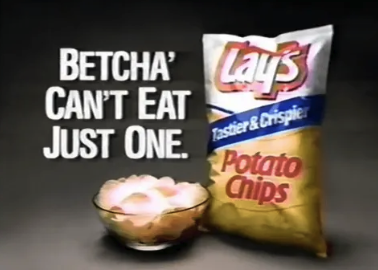 Do you remember the old Lays potato chip commercial, where they say, “Betcha can’t eat just one”? The ad agency Young & Rubicam created that slogan in 1963 and even featured the actor from the Wizard of Oz, Bert Lahr, who played the lovable, yet cowardly lion. That choice was made on purpose. That familiar face played a crucial role in transforming Lay’s from a simple snack maker into a dominant brand. They leveraged the psychological truth that consumers rarely stop at a single chip.
Those techniques are still used to tempt us today.
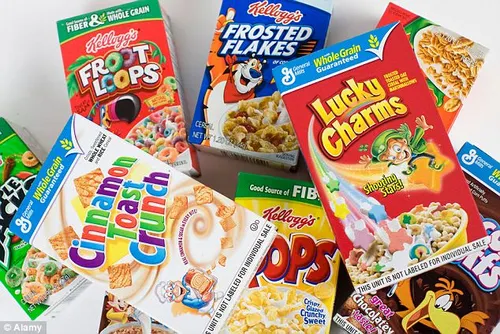 Brightly colored packaging, smiling friendly cartoon mascots, catchy jingles, and memorable television commercials became a part of our childhood. Who could resist Toucan Sam and FrootLoops, Tony the Tiger proudly proclaiming Frosted Flakes were “Grrreat!”, or the Swashbuckling Captain Crunch?
Those familiar characters weren’t created by accident. They were carefully designed to build trust, excitement, and brand loyalty long before we were old enough to understand advertising.
I wasn’t immune. Like many children growing up in the 1960s and 70s, I found myself drawn to certain cereals simply because I loved the television commercials. Looking back, it’s fascinating to realize just how effectively those marketing campaigns shaped our preferences from an early age.
Once you see and understand the psychological manipulation, it gets easier to resist the calorie dense choices for something far healthier.
We live in a world where we are highly marketed through commercials on TV and even in social media, to persuade you to request the newest weight loss drug, and to ask for it.
The Psychology of Persuasion
 Advertising isn’t simply about providing information. Its purpose is to capture our attention, create emotional connections, and encourage us to purchase specific products. Sometimes those appeals focus on happiness or convenience. Other times they emphasize youth, beauty, fear, or the promise of a quick solution.
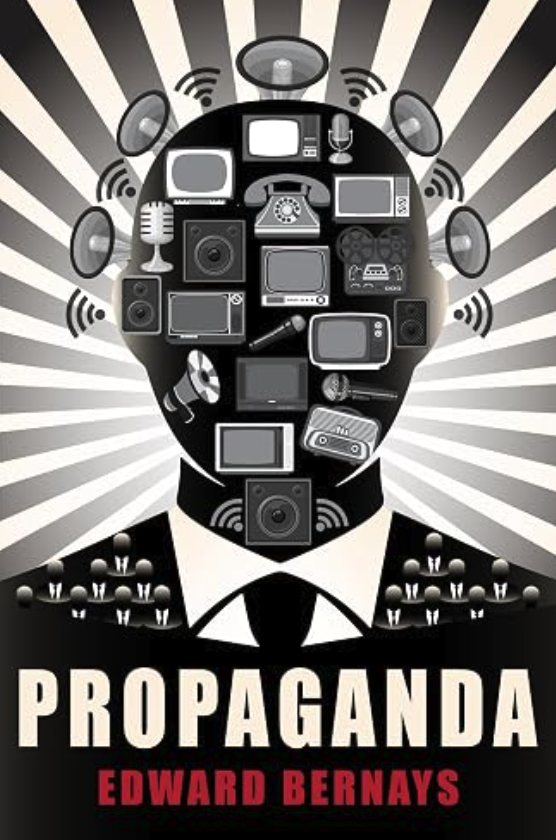
Nearly a century ago, Edward Bernays explored these ideas in his book Propaganda, explaining how psychology and mass communication could influence public opinion and consumer behavior. While technology has changed dramatically since then, many of the underlying principles remain remarkably similar.
Whether we’re choosing a breakfast cereal, the latest gadget, weight loss drug, or asking our physician about a medication we’ve repeatedly seen advertised, it’s worth pausing to ask a simple question:
Am I making this decision because I’ve researched it, or because I’ve been persuaded to want it?
That doesn’t mean advertisements are always wrong or that medications aren’t valuable. Many products genuinely improve lives. But advertisements are designed to persuade—not to provide balanced education. That’s why learning to ask questions and becoming an informed participant in your own healthcare is so important.
Our bodies thrive on real food
A Mediterranean-style diet emphasizing colorful vegetables, leafy greens, beans, legumes, nuts, seeds, healthy fats, fish, and moderate amounts of fruit has consistently been associated with improved metabolic and cardiovascular health and cancer prevention.
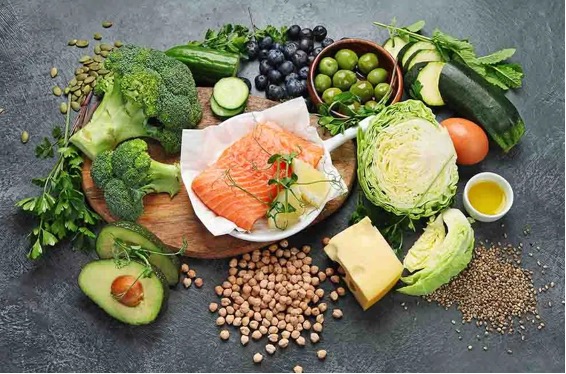 Research has also shown it to be one of the most effective eating patterns for managing pre-diabetes and Type II diabetes while reducing the risk of many chronic diseases, including several forms of cancer.
Foods rich in fiber deserve special attention because they slow the absorption of sugar into the bloodstream, helping stabilize blood glucose while keeping you feeling satisfied longer by delaying digestion.
While vegetables are wonderful, some are better than others. It’s suggested that we minimize the starch. Potatoes (including white, sweet, and yams), corn, and parsnips are the primary starchy vegetables to avoid or strictly limit with high blood sugar due to their high carbohydrate content and high glycemic index (GI).
Instead of focusing on what you can’t eat, focus on filling your plate with foods that nourish your body. Small changes are far more effective than dramatic diets that few people can maintain (something I’ve struggled with myself). And as they say, everything in moderation, including moderation. Don’t beat yourself up for cheating one day. Just get back on track as soon as you can, perhaps your next meal, or with a bit more exercise that can be both punishment and reward.
Vitamins and minerals
While researching this article, I was reminded of the book Life Extension: A Practical Scientific Approach, which helped popularize the use of vitamins, antioxidants, and nutritional supplements to support long-term health back in the 80’s. Today, much of that research is readily available online if we know how to ask the right questions. I learned this about potassium:
“Potassium is essential for many functions throughout the body, including healthy nerve and muscle function, blood pressure regulation, and insulin secretion. Research suggests that maintaining adequate potassium levels may support healthy blood sugar regulation, while low potassium has been associated with an increased risk of developing Type II diabetes. As with any supplement, it’s important to discuss potassium supplementation with your healthcare provider, particularly if you have kidney disease or take medications that affect potassium levels.”
Emerging research also suggests that potassium may work even better when combined with other important minerals such as magnesium. In one study, a combination of potassium, magnesium, and citrate improved blood sugar regulation more effectively than potassium alone in participants whose blood sugar had been elevated by certain diuretic medications.
Talking to your physician about supplements is important, especially if you are already taking medications that might interact with them.
Rather than reaching for a supplement first, you can increase potassium naturally by eating more potassium-rich foods. Excellent choices include baked potatoes, avocados, beans and lentils, leafy greens such as spinach and beet greens, tomatoes and tomato products, plain yogurt, milk, salmon, tuna, and dried fruits like apricots and raisins. These foods not only provide potassium but also supply fiber, vitamins, minerals, and antioxidants that work together to support overall health.
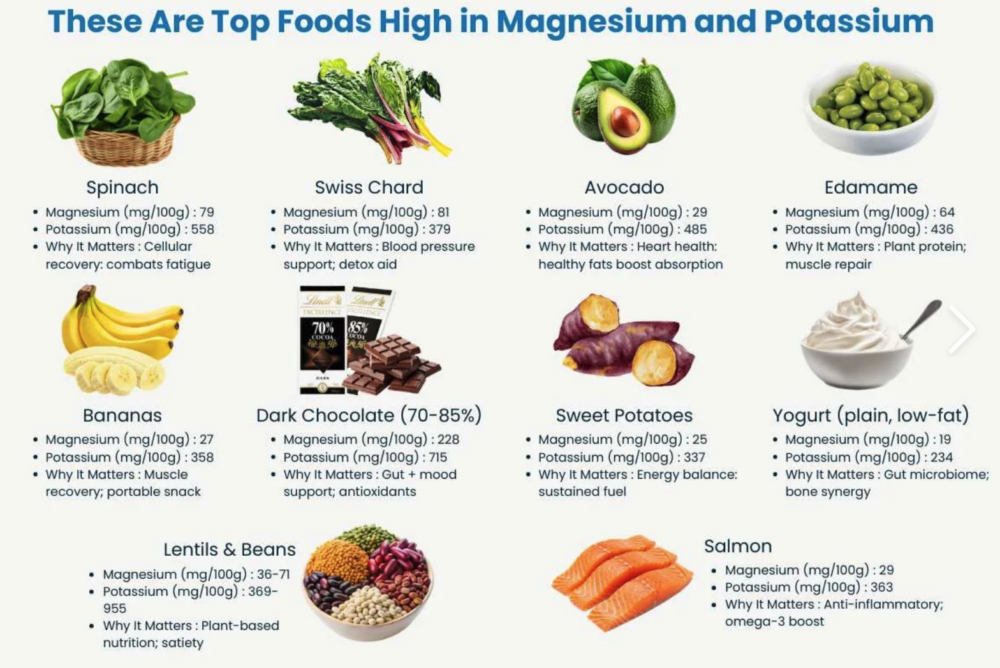
If a blood test shows you’re deficient, supplementation may be appropriate under your physician’s guidance. But for many people, increasing whole foods naturally rich in potassium and magnesium is an excellent place to start.
You may have noticed that many of the foods high in potassium are also rich in magnesium, fiber, and phytonutrients that help manage and protect the body from disease.
Nutrition is considered essential after a cancer diagnosis, so why isn’t it emphasized just as strongly when someone is diagnosed with insulin resistance or Type II diabetes?
And if one of your goals is weight loss as well as controlling blood sugar, consider reducing or eliminating:
- Sugary beverages
- Highly processed foods and fast foods
- Excess refined carbohydrates that strip away the bran and germ, leaving only the starchy endosperm or isolated sugars.
- Frequent desserts and snacks, especially those high in sugars
- Excessive processed meats like bacon, ham, sausages, hot dogs, salami, jerky, and deli meats (including poultry-based luncheon meats). the World Health Organization’s International Agency for Research on Cancer (IARC), classify processed meat as a Group 1 carcinogen.
Sounds like we’ve got to get back to the garden!
Again, everything in moderation, including moderation. You can still enjoy your life by making healthy choices and even making your servings a bit of an art form. Eat a bit slower to enjoy every bite and to help you feel satiated faster and longer.
And if you cheat, just get back on track as soon as you can without beating yourself up about it!
The Benefits of Meditation and Grounding
 Stress affects us far more than we realize. And chronic stress raises cortisol and adrenaline levels, interfering with sleep, digestion, immune function, and healthy blood sugar regulation. Stress can affect the choices you make in your daily life. Sleep is important, as much of the body’s repair and restoration takes place at that time.
Reducing stress helps improve sleep, and better sleep supports healthier blood sugar regulation.
Meditation provides a simple way to calm both the mind and the body. Just a few minutes each day can reduce stress, improve focus, lower blood pressure, and help restore emotional and physical balance.
Spending time in nature, gardening, walking, or simply sitting quietly outdoors can have similar benefits. Grounding ourselves in the present moment reminds us that healing isn’t just physical—it’s emotional and spiritual as well.
The Healing Power of Connection
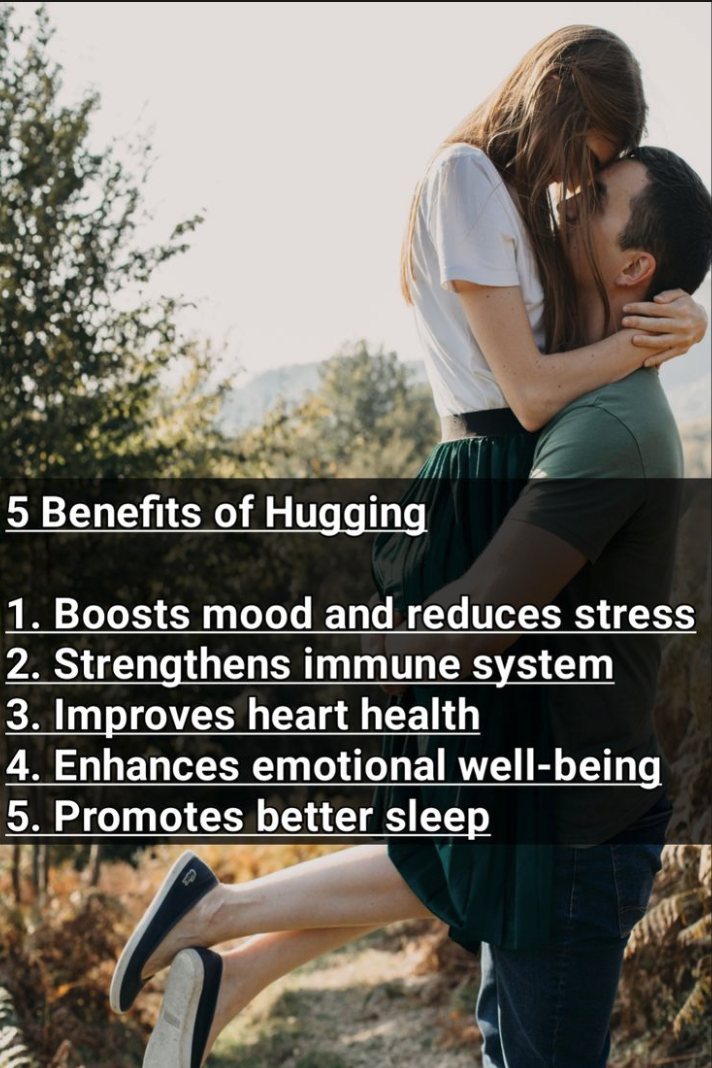 Those who follow my writing and have participated in our Ascension Connection and Healing Group meetings know that I have often talked about the importance of gratitude, compassionate and loving thoughts. Per the HeartMath Institute’s studies, I learned those emotions aid in coherency and healing by generating a larger electromagnetic frequency from the heart that affects us, and those around us, in positive ways. But there is a new discovery related to this that I want to share with you now. The love hormone, Oxytocin.
Scientists have long recognized oxytocin as the hormone involved in childbirth, breastfeeding, and social bonding. More recent research suggests its influence extends much further.
Oxytocin appears to play a role in healthy blood sugar regulation, insulin sensitivity, muscle maintenance, cardiovascular health, stress reduction, and the body’s natural repair processes.
While researchers continue to explore its full therapeutic potential, one of the most encouraging discoveries is that oxytocin is naturally released during positive human experiences—acts of kindness, affectionate touch, playing with or petting your furry family members, meaningful conversation, laughter, gratitude, meditation, prayer, and loving relationships.

Perhaps there is more wisdom than we realized in the old advice to cultivate love, compassion, and gratitude. These qualities don’t simply improve our outlook on life; they may also help create an internal environment that supports healing.
Human interaction and touch can be quite healing, and positive interactions just feel good, don’t they? (There are links in the resources if you want to read more about Oxytocin and the HeartMath findings).
What Exercise Does for your Body and Mind
Exercise is good for the body, mind and spirit.
For the body, it improves cardiovascular health, strengthens bones and muscles, and reduces the risk of chronic diseases like diabetes, obesity, and heart disease. It also helps regulate blood pressure, improve cholesterol levels, and boost overall energy and stamina.
For the Mind, physical activity releases endorphins, dopamine, serotonin, and norepinephrine, which elevate mood and act as natural antidepressants. Exercise reduces stress hormones like cortisol, sharpens memory and cognitive function, improves sleep quality, and boosts self-esteem and confidence through achieved goals.
Spiritual benefits – Engaging in physical movement, from weightlifting to dance and walking can serve to quiet the mind and connect with a higher purpose. It tests and strengthens willpower, expands comfort zones, and fosters a sense of pride, inner peace and spiritual well-being.
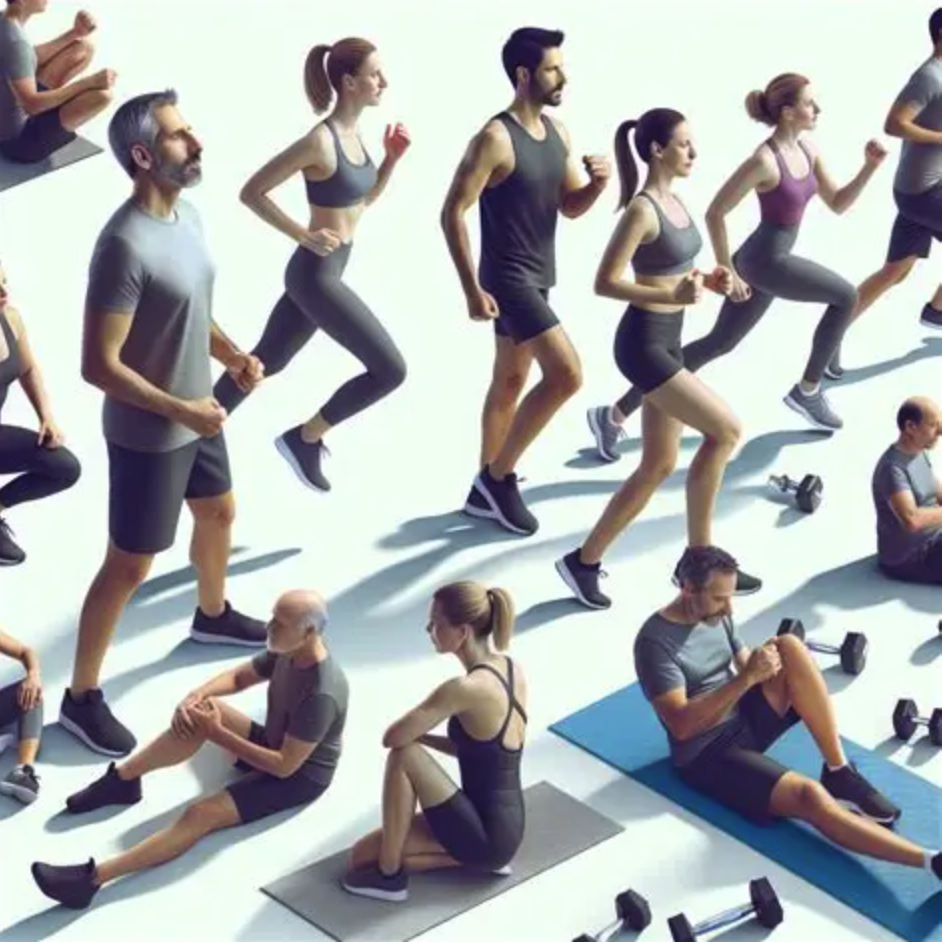 Exercise is one of the most effective ways to improve insulin sensitivity because working muscles naturally use glucose for fuel, helping lower blood sugar while strengthening the entire body. And muscles burn more calories than fat.
Our bodies were designed to move.
Whether it’s walking around the block, dancing in the kitchen, tending a garden, or simply choosing the stairs instead of the elevator, every step you take is another step toward better health.
Your Body – Your Choice – Your Responsibility
Although this article is primarily about learning how to manage blood sugar issues naturally, (except for severe cases that require medical intervention), I feel it’s important to reflect on recent history. The ongoing hearings with Anthony Fauci and his relationship with Bill Gates during the Covid “plannedemic”, and the release of his diary shows that we often believe advice that’s not only wrong, it could be criminal.
 If the past six years have taught me anything, it’s how important it is to become informed participants in our healthcare. Whether information comes from a physician, a pharmaceutical advertisement, social media, or an article such as this one, take the time to research for yourself, and ask questions. Make decisions that are both informed and appropriate for your individual circumstances. Your health is too important to place entirely in someone else’s hands, especially unelected officials.
So please, use your discernment and do some research of your own if you find yourself feeling skeptical.
Stay informed, stay sovereign, develop a healthy mindset by arming yourself with information.
Above all, stay positive, connected, and loving—and don’t give in to fear!

I’m not a physician. I’m a former EMT and researcher sharing information for educational purposes only.
Nothing in this article is intended to replace the advice of your physician or other qualified healthcare professional. Before making changes to your medications, supplements, or treatment plan, consult your healthcare provider.
If you’re experiencing a medical emergency, seek immediate medical care.
Wait, before you go…
This was going to be in the exercise section, but I think it needed a space of its own. I also wanted to leave you smiling.
If you’ve ever seen the animated movie Madagascar, you may remember King Julien enthusiastically singing and dancing to, 🎶 “I Like to Move It, Move It!” 🎶 (Watch the clip here.)
As cute and silly as that scene is, there’s a grain of wisdom hidden beneath the humor. Perhaps King Julien was onto something after all! 🙂

Resources:
The Next Health Craze: Miracle or Manufactured Demand-A Reflection on Policy and Profit
FDA’s Concerns with Unapproved GLP-1 Drugs Used for Weight Loss
The Long-Term Side Effects of GLP-1 Drugs: What We Know So Far
Type 2 Diabetes – The Mayo Clinic Advice
Starchy Vegetables to avoid with Type II Diabetes
https://draxe.com/health/oxytocin/
https://health.clevelandclinic.org/phytonutrients
The Heart as Frequency Generator: Why Love Might Actually Be the Strongest Force
Each Individual Impacts the Field Environment – HeartMath Institute

Your Tax Free Donations Are Appreciated and Help Fund our Volunteer Website
Disclaimer: We at Prepare for Change (PFC) bring you information that is not offered by the mainstream news, and therefore may seem controversial. The opinions, views, statements, and/or information we present are not necessarily promoted, endorsed, espoused, or agreed to by Prepare for Change, its leadership Council, members, those who work with PFC, or those who read its content. However, they are hopefully provocative. Please use discernment! Use logical thinking, your own intuition and your own connection with Source, Spirit and Natural Laws to help you determine what is true and what is not. By sharing information and seeding dialogue, it is our goal to raise consciousness and awareness of higher truths to free us from enslavement of the matrix in this material realm.