EN
EN FR
FR

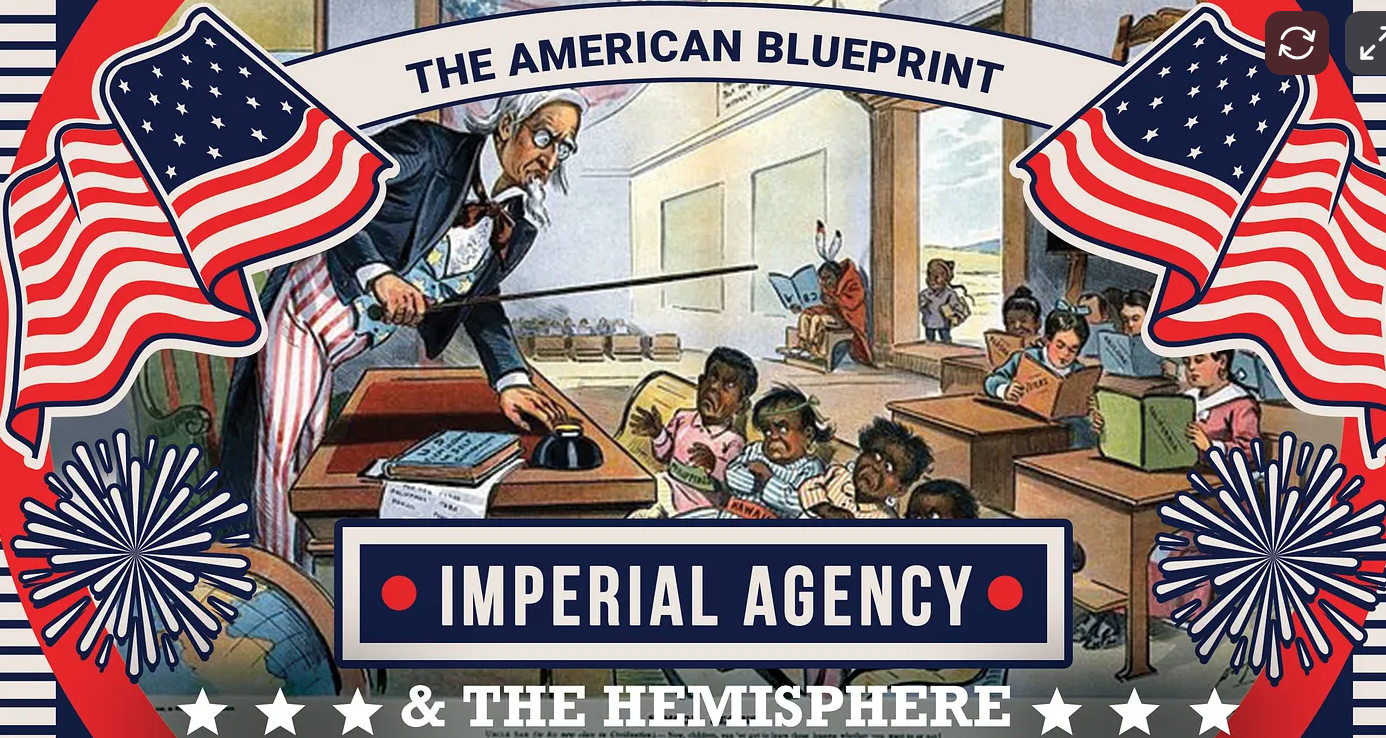
Empire was never optional. Once the network built a nation, the nation needed a hemisphere
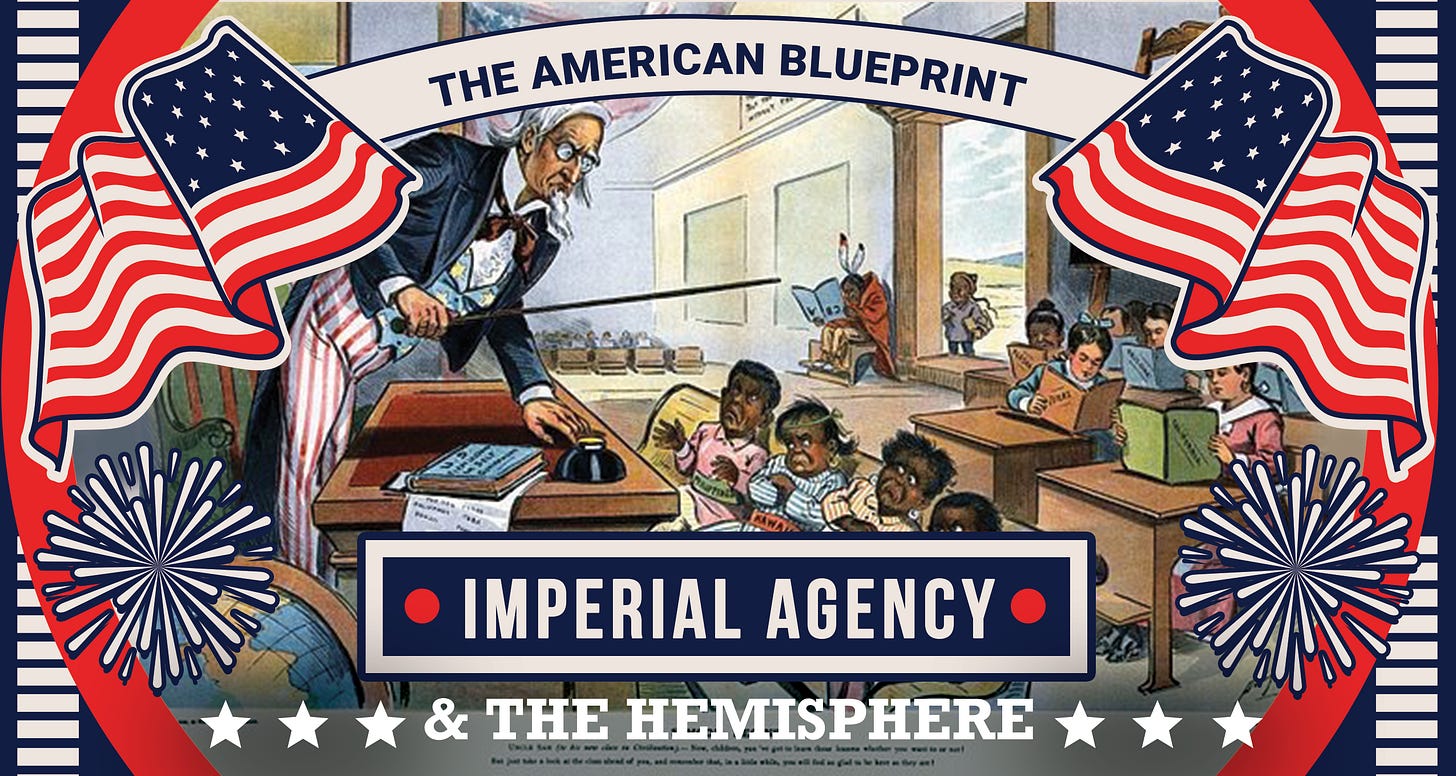
Article 1 of this series made a structural argument about 1776: there was no America yet, only a network capable of building one. This article makes the same kind of argument about the twentieth century. By the time that network had finished building a nation, securing a nation was no longer enough. An empire that wants to remain an empire needs resources, markets, and a perimeter it controls — and for the United States, that perimeter was its own hemisphere.
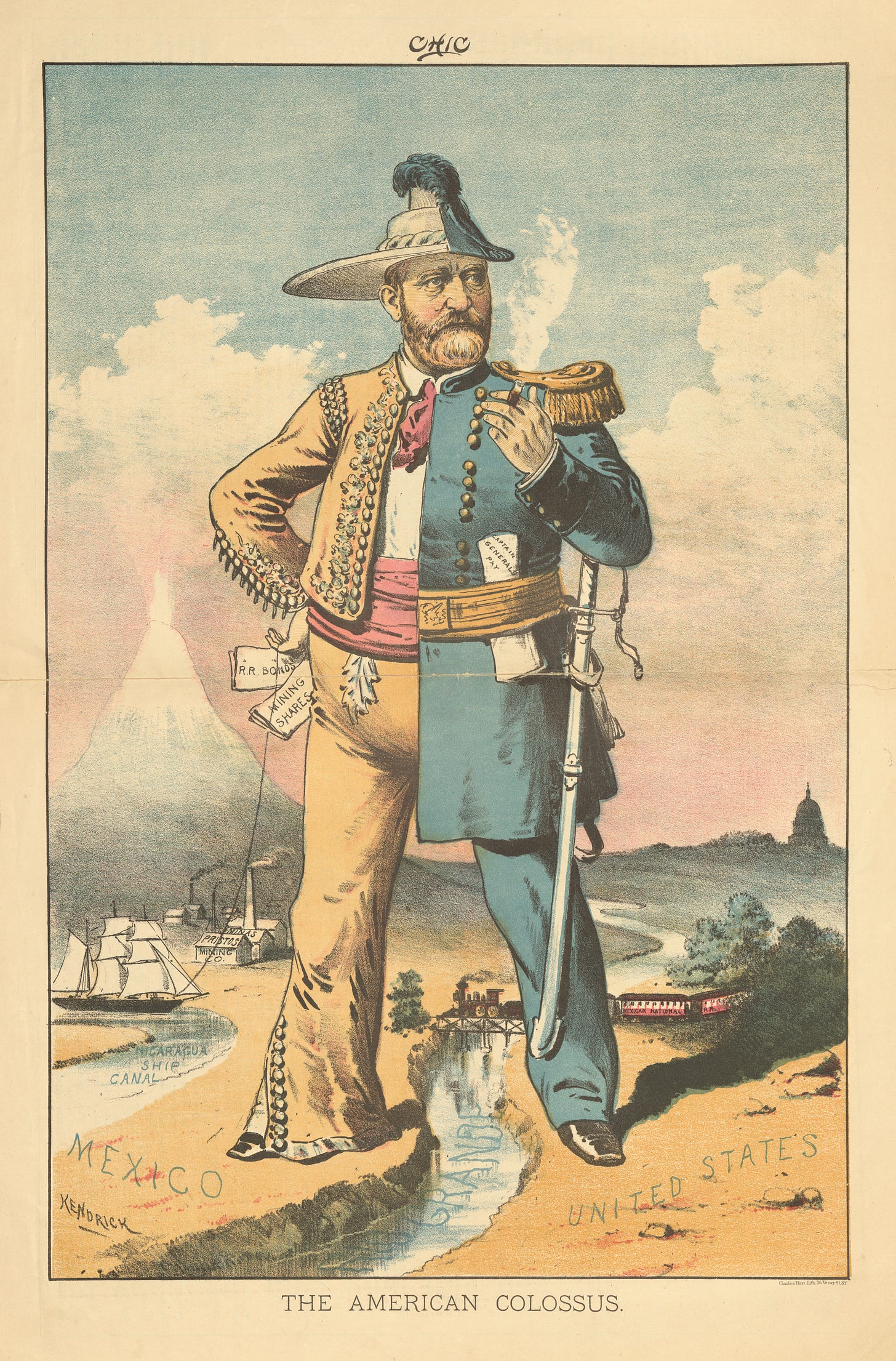
This is not an ideological claim. It is the same structural-necessity logic this series opened with, applied one level up. A country cannot project power globally while its own backyard is unstable, unaligned, or controlled by a rival ideology. Whatever the stated reasons for any individual intervention — communism, narcotics, terrorism — the underlying requirement was constant for seventy years: the hemisphere had to be administered, not merely neighbored.
The Documented Record
Start with what is not in dispute. Beginning in 1954, the United States conducted a sustained, repeatedly successful campaign of covert intervention across Latin America — not as isolated incidents, but as a recurring operational pattern with the same basic shape each time.
DOCUMENTED – In 1954, a CIA-organized coup overthrew Guatemala’s democratically elected President Jacobo Arbenz after his land reforms threatened the holdings of the U.S.-based United Fruit Company; the operation became, in the words of one historical account, “the mold for CIA intervention in Latin America” — bribery of military officers paired with a propaganda campaign branding the target government as communist.
The pattern repeated with remarkable consistency. In Brazil in 1964, a democratically elected reformist government under João Goulart — who had nationalized a subsidiary of the U.S.-owned International Telephone and Telegraph and maintained relations with Cuba — was overthrown in a CIA-supported military coup that installed a dictatorship lasting more than two decades. In Chile in 1970, after Salvador Allende’s election, the Nixon administration ordered what internal documents labeled an economic war, deploying CIA assets inside the country’s own political parties and media institutions to engineer the conditions for the 1973 coup that followed.
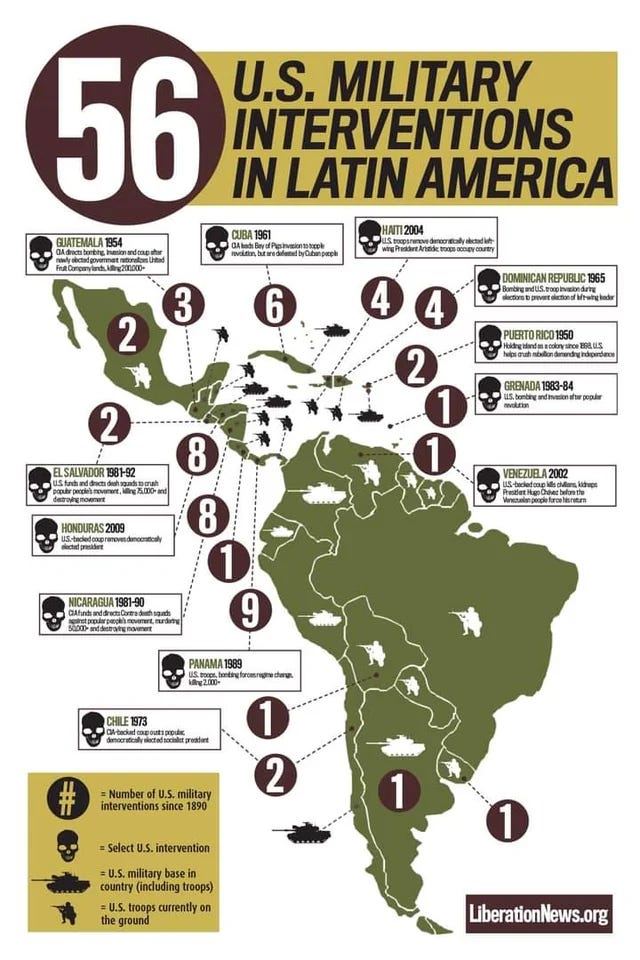
By 1975, the pattern had matured into formal regional infrastructure. Operation Condor linked the intelligence services of Argentina, Bolivia, Brazil, Chile, Paraguay, and Uruguay into a coordinated transnational network for tracking, detaining, and assassinating political dissidents across borders — with documented U.S. support in the form of military intelligence, training, financial assistance, and access to hemispheric telecommunications infrastructure run out of the Panama Canal Zone.
A 2023 academic study quantifying the consequences of these interventions found the pattern was not incidental to the outcomes — it produced them. Countries that experienced CIA-sponsored regime change saw average declines of roughly ten percent in per-capita income within five years, alongside steep, sustained drops in democracy scores, civil liberties, and rule of law relative to countries that did not experience intervention. The damage was not a side effect. Structurally, it was closer to the design specification
The Mechanism Behind the Coups
Military coups are the visible, headline-generating layer of hemispheric control. They are also the most expensive, least deniable, and most diplomatically costly tool available. The more durable instrument — the one that required no troops, no headlines, and no formal admission of involvement — was debt.
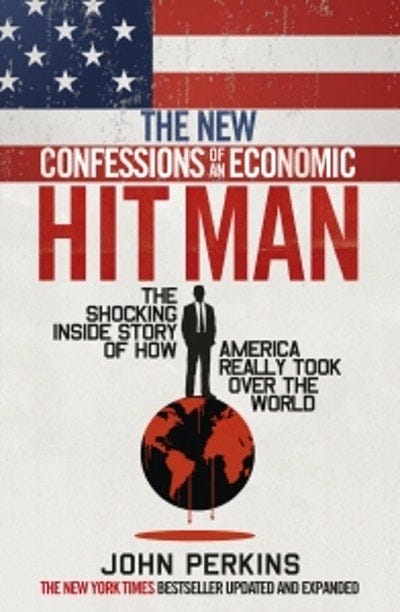
Former international development consultant John Perkins, in his 2004 memoir Confessions of an Economic Hit Man, described his own role as part of a system designed to entangle developing nations in loans they could never realistically repay — loans whose proceeds flowed back to American engineering and construction firms, leaving the borrowing country with infrastructure, debt, and a permanent dependency on the lender’s goodwill. Once a country’s leadership understood the debt could not be serviced, Perkins wrote, that leadership became reliably available — to be drawn on for whatever political, economic, or military purpose Washington required.
ASSESSED / CONTESTED – Perkins’ book is a personal memoir, not an investigative or academic work, and significant elements of his account have been challenged. A reviewer for a major outlet found he ‘does not provide much in the way of credible independent evidence to support his claims,’ and a separate journalistic review found none of his previously unreported claims could be independently verified. Even Perkins’ former colleague at the consulting firm where he worked, while confirming the broader pattern of unsustainable developing-world debt was real, stopped short of confirming Perkins’ characterization of a coordinated conspiracy. We present Perkins’ account at this confidence level deliberately: as a credible insider description of a mechanism, not as proven fact in every particular.
Whatever the precise mechanics in Perkins’ personal case, the broader phenomenon he described — sovereign debt as a tool of political leverage — is not seriously disputed as a category. What is disputed is how centrally planned, how individually targeted, and how consciously coordinated any single instance of it was. That distinction matters, and Naradigm Shift holds it deliberately rather than collapsing it for narrative convenience.
What We Know Firsthand
This is where the documented record and the assessed-confidence material give way to something this publication can speak to directly, because it sits inside our own network.
FIRSTHAND ACCOUNT – A close, longtime associate within our network was raised, from childhood, by an adoptive father who served as an economic hitman for the CIA, stationed in Mexico during the 1970s. That influence is understood within our network to have contributed to the political destabilization and violence of the period — including, by account, an assassination of a local mayor later documented publicly and depicted in film. Our associate was trained from a young age in the methods and worldview of that work, and was later brought, through that lineage, into the network of contacts our community refers to as the White Hat Alliance, the Alliance, or the Resistance Movement. We are withholding all identifying names and locations by deliberate editorial decision, protecting people who have operated for years under real and ongoing risk. We are confident in this account because it comes from inside our own circle, sustained over years, not from a single uncorroborated source.
That account is not isolated. It sits inside a much longer pattern that did not end with the Cold War, and Mexico’s recent political history supplies the public, documented version of exactly that pattern operating in the present. Sixty politicians were assassinated during the run-up to and course of Mexico’s 2024 general election, according to independent tallies, though then-President Andrés Manuel López Obrador’s government acknowledged only six. Among them was Gisela Gaytán, a mayoral candidate in Celaya, Guanajuato, shot dead at her first campaign rally in April 2024 — one name among dozens, in a country where electoral violence at this scale has become a structural feature of the political process rather than an aberration from it
That violence took shape under the explicit security doctrine of the López Obrador administration, publicly known as Abrazos no Balazos — hugs, not bullets — a posture widely criticized for tolerating cartel power as the cost of reduced direct confrontation. It is worth noting precisely, because this series holds itself to the same standard everywhere else: the current Mexican administration under Claudia Sheinbaum has broken from that posture, not continued it, including the 2026 killing of Jalisco New Generation Cartel leader Rubén Oseguera Cervantes and a significant National Guard deployment against trafficking networks. The pattern of cartel-entangled political violence in Mexico is real and ongoing. Attributing it to the current government specifically would not be.
Coups are the visible layer. Debt and dependency are the durable one. Neither requires an army to occupy a country once its leadership understands who controls its survival.
The Asset Extraction Layer We Witnessed Directly
This series has already established, in The Arcane Blueprint, that our network experienced direct outreach during the early pandemic period — an approach made to administrators within a globally distributed holding company, documented and incorporated into that arc at appropriate confidence. What belongs in this article is the connective observation: the mechanism described in that experience was not a pandemic-era novelty. It was the same mechanism this article has traced from Guatemala in 1954 forward, simply pointed at a different target set.
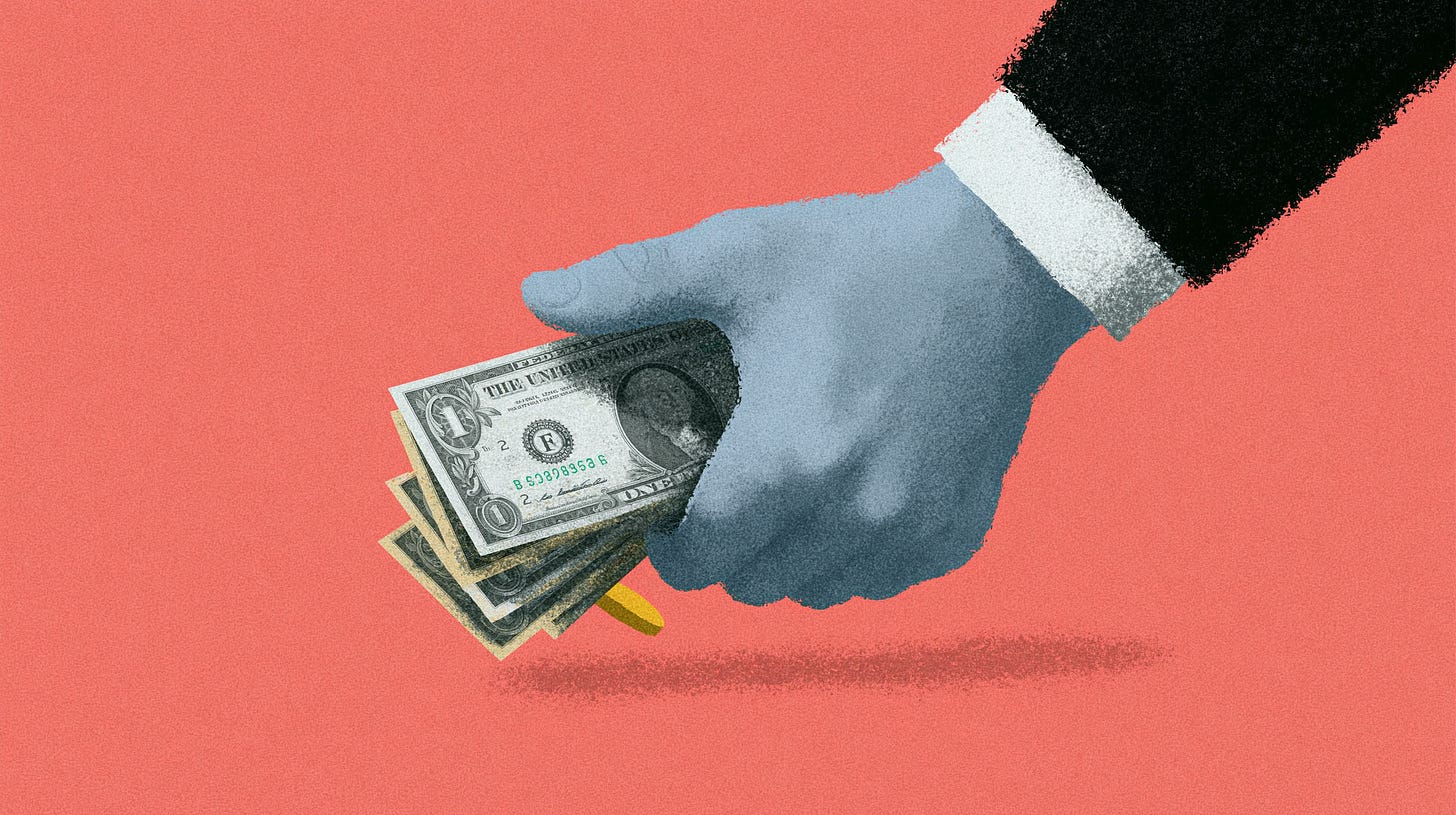
Where the Cold War version of hemispheric control used debt and coups to secure resource access and ideological alignment from sovereign governments, what our network observed during the pandemic period operated at the level of institutional and personal recruitment — economic pressure applied to leadership figures, not to topple governments outright, but to secure compliance with a program whose practical effect was the extraction of assets from countries with the least capacity to resist it. The targets were poorer, developing nations — the same category of country that has occupied the receiving end of this mechanism since the United Fruit Company first lobbied for a coup in Guatemala seventy years ago.
SERIES BRIDGE – This is the direct extension of the administrative mechanism traced across Arcane Blueprint Article 6 and American Blueprint Article 6 — access to power, at every level from a local agency to an entire hemisphere, running through demonstrated willingness to serve the system rather than through the stated public purpose of the institutions involved. What changes across seventy years is only the instrument: coups, then debt, then pandemic-era economic pressure applied directly to leadership. The mechanism underneath is the same one, run continuously.
The Hemisphere as Foundation, Not Footnote
Return to the founding claim of this series. There was no America in 1776 — only a network capable of building one. By the middle of the twentieth century, that project had matured into something that required more than internal coordination. It required a controlled perimeter: a hemisphere whose resources, markets, and political alignments could not be allowed to drift outside Washington’s reach, because an empire that does not control its own neighborhood does not remain an empire for long.
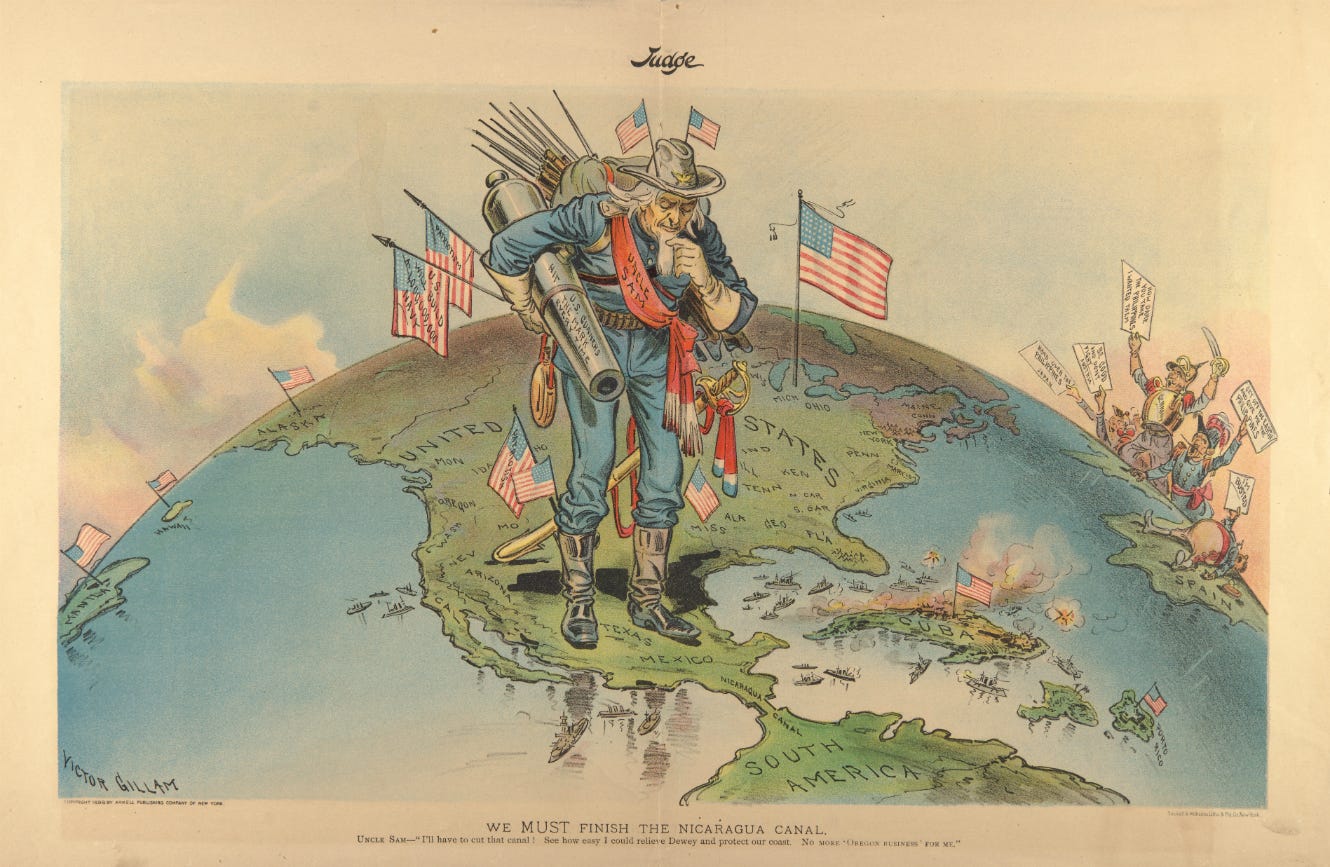
The tools changed across seven decades — coups gave way to debt, debt gave way to pressure applied directly on leadership during a global health crisis — but the requirement underneath never changed, and neither did the basic mechanism by which it was carried out: access to power offered to whoever proved willing to serve the system, at whatever level of that system they occupied. That is the throughline this series has now traced from a handful of colonial lodges with no shared currency or government, to a hemisphere managed for seventy years by the agency descended, however indirectly, from the same administrative impulse.
The series closes from here by returning to where it began — the 250th anniversary itself — and asking what, exactly, two and a half centuries of this pattern leave us to actually commemorate.
Eyes to see it.
The American Blueprint — Series Roadmap
Article 1 — The Fraternity Before the Flag [Published]
Article 2 — The Comte and the Cause [Published]
Article 3 — The Angel and Orb at Valley Forge [Published]
Article 4 — A City Built to a Plan [Published]
Article 5 — New Atlantis, New Lemuria, and the World Before [Published]
Article 6 — The Permanent Government (COG) [Published]
Article 7 — The Imperial Agency and the Hemisphere [You are here]
Article 8 — 250 Years of the Plan
— Gerry
Gerry Gomez is an investigative journalist, creative director, and hybrid war correspondent who has spent a decade documenting the convergence of financial, media, and geopolitical forces shaping the current global transition.

Your Tax Free Donations Are Appreciated and Help Fund our Volunteer Website
Disclaimer: We at Prepare for Change (PFC) bring you information that is not offered by the mainstream news, and therefore may seem controversial. The opinions, views, statements, and/or information we present are not necessarily promoted, endorsed, espoused, or agreed to by Prepare for Change, its leadership Council, members, those who work with PFC, or those who read its content. However, they are hopefully provocative. Please use discernment! Use logical thinking, your own intuition and your own connection with Source, Spirit and Natural Laws to help you determine what is true and what is not. By sharing information and seeding dialogue, it is our goal to raise consciousness and awareness of higher truths to free us from enslavement of the matrix in this material realm.