EN
EN FR
FR


Fraud Ecosystem Blueprint: Minnesota In the Spotlight
Part II: The Demonstration
By Arturo
If you missed part one of the Minnesota fraud analysis, you can read it here:
Fraud Ecosystem Blueprint: Minnesota In The Spotlight.
Let’s look at part II:
Some said the collapse of Minnesota’s systems was incompetence layered on crisis. Others insisted it was greed exploiting opportunity. But among those who studied the filings, the audits, the money trails, one conclusion kept resurfacing:
This wasn’t where the story began.
It was where it was revealed.
Minnesota was never meant to be the end state. It was a huge demonstration of fraud and abuse of US Taxpayer money. The money had no face or name and the theft hurt no one specifically, yet it hurt all of us. The law of one (we are all one) applied in ways never thought about, the reminder came through increased services, higher taxes, housing shortages and job unavailability and low pay.
The web of dishonesty and deception was dense. Interlocking agencies, nonprofits, benefit programs, driver licensing, and automatic voter registration. All programs sharing administration gates that had been reused so often that no one remembered why they existed in the first place.
The immigrants and refugees were eligible for child nutrition programs, childcare, medical transportation. Immigrants learned how to become providers for the very assistance they received. They set up shop; immigrants began to contract with the state to provide services (many of which were not provided, but billed to the state). Some buildings housed several corporations under the same roof. The became entrepreneurs of specialized care service providers for their own community.
 The money moved faster than meaning.
Over years, payouts stacked into the billions. Oversight notices were written, filed, postponed. Each program alone looked manageable. Together, they formed a lattice so complex that when one strand failed, the others absorbed the strain.
Until they didn’t.
When investigators finally pulled on a thread, the web didn’t tear; it collapsed inward. The same names reappeared. Hundreds of records using the same addresses. Households using the same credentials, recycling through different doors. What had looked like isolated frauds revealed themselves as repetitions. And the replication was unbelievable.
What Has Actually Been Charged by Authorities:
Federal prosecutors in Minnesota have charged multiple individuals in schemes involving publicly funded autism services (specifically the Early Intensive Developmental and Behavioral Intervention program — EIDBI). These charges allege:
- Individuals recruited families — especially in the Somali community — to enroll children into autism services, even if they weren’t diagnosed with autism. Department of Justice
- In at least one major case, a woman named Asha Farhan Hassan operated Smart Therapy LLC and is charged with defrauding the autism services program of over $14 million by paying monthly kickbacks to parents for enrolling children. Department of Justice+1
- Another provider, Star Autism Center LLC, is also charged with recruiting families and submitting fraudulent Medicaid reimbursement claims, often employing unqualified staff and billing for services not provided. Department of Justice+1
- So far dozens of individuals have been charged, many tied to Somali-background providers, in a broader set of welfare fraud investigations spanning several state programs, including autism services. Black Chronicle
Once Minnesota’s structure was mapped, the implication became unavoidable: if it worked here, it worked nationwide. The pandemic didn’t create the template. It activated it.
Emergency declarations replaced verification with velocity. Funds were released with urgency and tracked with hope. Identity checks became optional. Enforcement was labeled cruelty. Questioning the flow was reframed as hostility.
The system learned something important in that moment:
Speed beats scrutiny.
Volume beats validation.
Across the country, similar patterns surfaced. Relief programs hemorrhaged funds. Unemployment systems paid ghosts. Small business aid flowed to entities that existed only long enough to receive it. States blamed each other. Agencies blamed the crisis. The crisis blamed time.
But the mechanics were the same.
What disturbed analysts most wasn’t the theft. It was the design compatibility. Decades of policy decisions had created environments where dense networks could scale participation faster than institutions could verify legitimacy; low trust externally; high trust internally. Once established, such networks didn’t need coordination; they self-propagated.
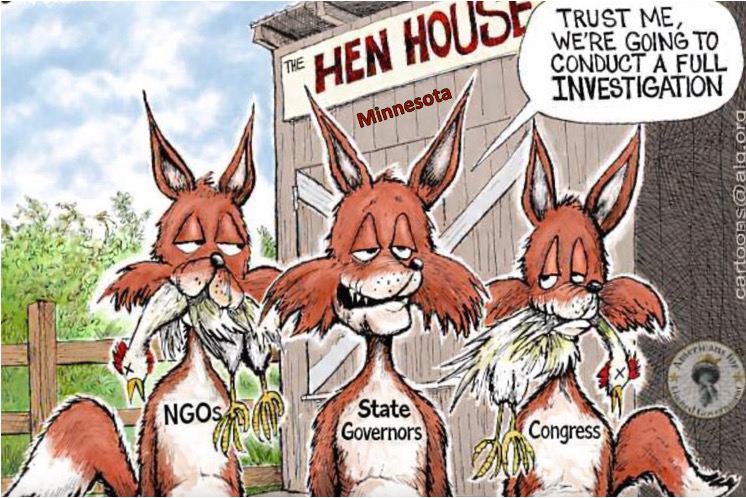 The template didn’t require a single ethnicity, language, or origin. It only required concentration, delay, and permission. The rest took care of itself.
That’s when attention shifted to the final layer.
Elections had inherited the same assumptions; identity inferred; residency presumed; participation encouraged at scale. Safeguards existed, but they relied on the same databases, the same documents, the same human bottlenecks already proven vulnerable. When it became clear that one does not need to be a registered voter to request a mail-in ballot in Minnesota, or in many states nationwide, the template revealed itself again.
Each reform had been justified in isolation.
Together, they formed a closed loop.
The genius, if it could be called that, was fragmentation. Immigration debates lived here. Social programs lived there. Election administration lived somewhere else entirely. No one was supposed to notice they shared infrastructure.
But once the Minnesota case laid the architecture bare, the illusion of separation faltered.
What followed was not a reckoning, but a pause.
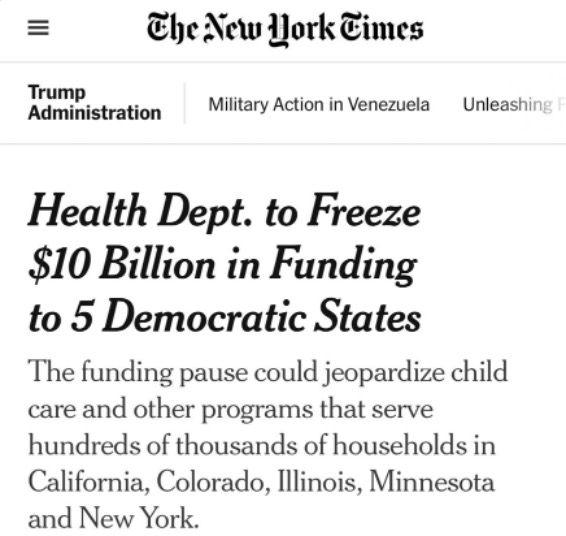
A moment when institutions realized that the permission structure they had relied on, the tolerance for delay, the aversion to scrutiny, the fear of appearing unjust, was no longer stable. If enforcement returned, the entire lattice would shudder. If audits became synchronized, the numbers would no longer hide inside complexity.
Click on image to expand.
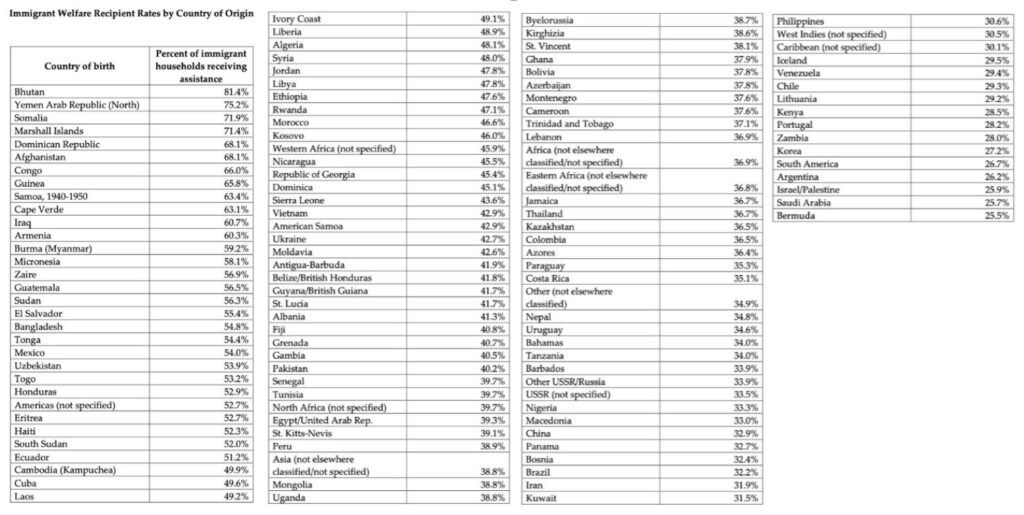
The template had only ever survived invisibility and the invisibility was ending.
Minnesota, in hindsight, was the contained demonstration; a place small enough to prosecute, documented enough to prove, visible enough to warn. What comes next, whether reform, resistance, or rupture, will depend on whether people continue to see these events as theft, or dismiss them as accidents.
Closing Thoughts
What Minnesota ultimately provided was not just exposure, but clarity. Once systems are seen as they truly are, they can be rebuilt with intention rather than assumption. Transparency restores trust not by denying failure, but by correcting it. The demonstration, properly understood, becomes the starting point for reform.


Your Tax Free Donations Are Appreciated and Help Fund our Volunteer Website
Disclaimer: We at Prepare for Change (PFC) bring you information that is not offered by the mainstream news, and therefore may seem controversial. The opinions, views, statements, and/or information we present are not necessarily promoted, endorsed, espoused, or agreed to by Prepare for Change, its leadership Council, members, those who work with PFC, or those who read its content. However, they are hopefully provocative. Please use discernment! Use logical thinking, your own intuition and your own connection with Source, Spirit and Natural Laws to help you determine what is true and what is not. By sharing information and seeding dialogue, it is our goal to raise consciousness and awareness of higher truths to free us from enslavement of the matrix in this material realm.