EN
EN FR
FR

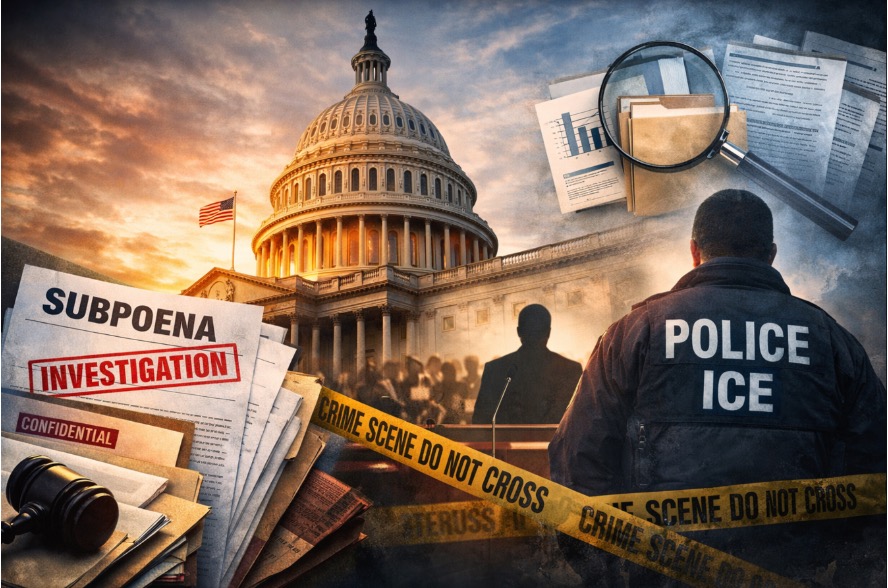
The Minnesota Template, Part III:
Exposure How Exposure Renews the Republic
by Arturo
Oversight is not a partisan act; it is a constitutional obligation. In a republic governed by laws rather than personalities, allegations of fraud must be examined openly and lawfully, particularly those involving taxpayer public funds, immigration systems, or social programs. This is not persecution. It is accountability under the rule of law, the very mechanism that preserves public trust.
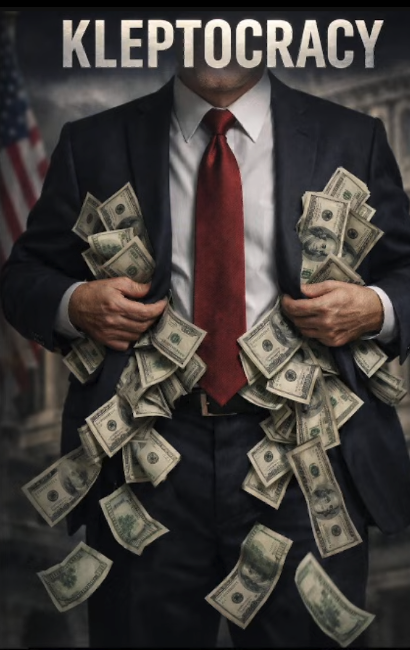 As 2026 begins, patterns set in motion years earlier are converging into public view. Minnesota has emerged as a focal point in what many observers now describe as a broader fraud ecosystem. Minnesota’s web of vulnerabilities spanning welfare programs, nonprofit funding, immigration pathways, and administrative oversight. Investigations into childcare assistance, nutrition programs, housing stabilization, and Medicaid have revealed how weak controls and fragmented enforcement can allow large-scale abuse to persist for years.
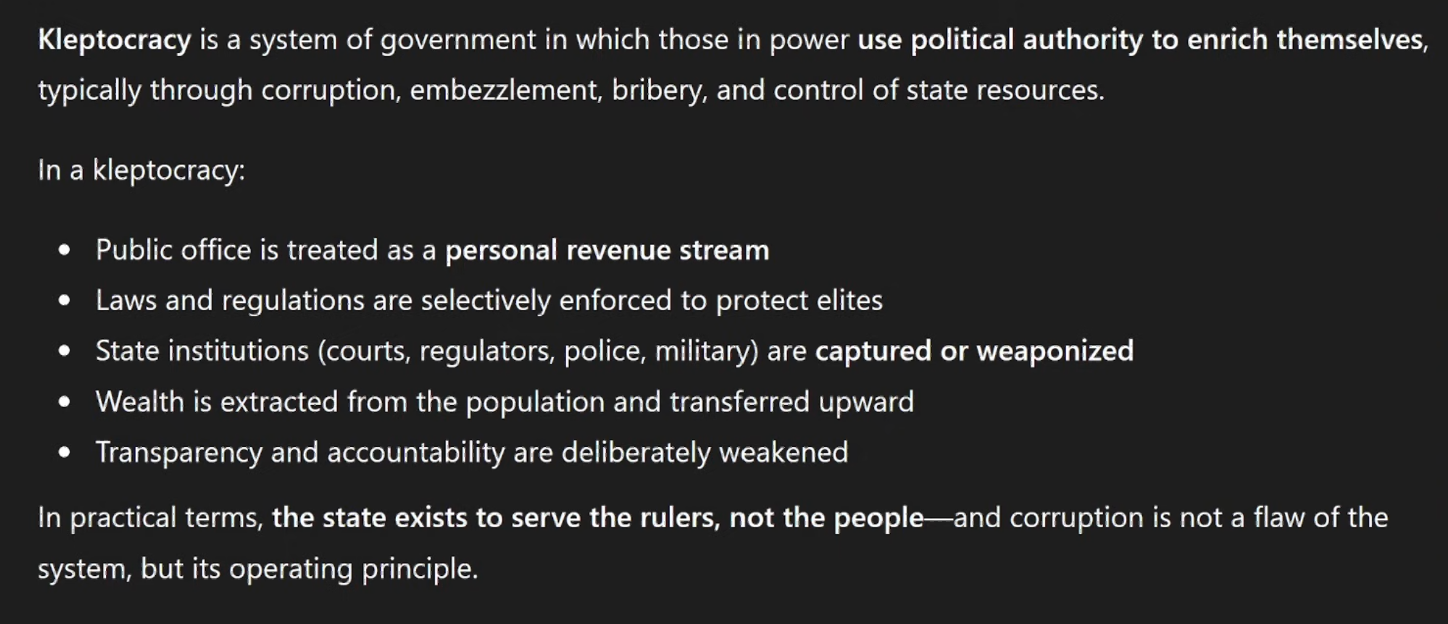
Minnesota is not unique, but it is instructive. What is unfolding illustrates how a Constitutional Republic is supposed to function: no special status, no protected class, no political immunity. When credible questions arise, evidence is examined; openly, lawfully, and equally. That process is not political. It is foundational.
From Invisibility to Exposure
Over the past year, Minnesota has faced intensified scrutiny following reporting on alleged fraud across state-administered welfare, social service programs, voting registration.
Federal agencies including the Department of Homeland Security (DHS), Immigration and Customs Enforcement (ICE), and Customs and Border Protection (CBP) have now expanded enforcement activity in the Minneapolis, St. Paul region as part of investigations into immigration compliance and benefit misuse.
These actions reflect a broader federal effort to address systemic weaknesses in programs responsible for distributing billions in taxpayer dollars.
This scrutiny coincided with Governor Tim Walz’s announcement that he would not seek re-election, a decision reported amid mounting political pressure and ongoing investigations into welfare oversight failures. While the governor cited personal and administrative reasons, the timing underscored the gravity of the moment and the degree to which public confidence in state systems had been shaken and left many asking, “Why am I paying taxes”?
Minnesota’s experience has since triggered responses beyond its borders. Federal Authorities have begun reviewing similar programs in other states, recognizing that the same administrative blind spots such as insufficient verification, reliance on intermediaries, and limited cross-agency coordination can enable fraud at scale if left unaddressed.
Fraud Is a Systemic Problem
 At its core, this moment is not about any single individual or community. It is about systems. Fraud vitiates everything it touches: public trust, program legitimacy, and democratic confidence. Minnesota revealed how unresolved weaknesses can compound across agencies and years, creating an operating environment where abuse becomes normalized through invisibility. Exposure, when conducted lawfully, is the corrective mechanism—it replaces speculation with evidence and opacity with accountability.
Federal Oversight and Individual Accountability
Within this broader framework, congressional oversight has extended to examining individual cases where unresolved questions intersect with federal law. One such example involves Representative Ilhan Omar, who currently represents Minnesota’s 5th Congressional District in the U.S. House of Representatives.
In January 2025, members of the House Oversight Committee publicly stated that they sought to subpoena immigration records related to longstanding allegations concerning Omar’s past marriage history. Lawmakers cited federal marriage-fraud statutes and civil marriage standards as the basis for determining whether applicable laws were followed.
This case is not the centerpiece of Minnesota’s broader fraud exposure but it illustrates a central principle: laws governing immigration and marriage apply to everyone. Subpoenas are not judgments; they are investigative tools used to establish facts. Whether allegations are substantiated or disproven, the process itself reinforces that public office does not confer immunity from lawful scrutiny.
From Minnesota to the Nation
Minnesota’s exposure has already had national ripple effects:
- Vice President J.D. Vance announced the creation of a new Assistant Attorney General role with nationwide jurisdiction to combat fraud, beginning in Minnesota.
- Treasury Secretary Scott Bessent visited Minnesota to announce federal actions to investigate and prosecute fraud.
- DHS Secretary Kristi Noem emphasized that federal enforcement will pursue fraudulent actors nationwide, highlighting Minnesota as the initial focus.
- In Boston, federal prosecutors charged two men in a $7 million SNAP fraud scheme involving “ghost stores” that exchanged massive EBT payouts for cash and illegal items.
These cases illustrate a nationwide pattern: systemic weaknesses in benefit programs, if unaddressed, allow fraud to multiply. Minnesota serves as both a cautionary tale and a model for how lawful exposure leads to corrective reform.
Conclusion: Accountability Leads to Renewal
Minnesota may be where this reckoning became visible, but it will not be where it ends. History shows that when fraud is exposed through lawful means, institutions emerge stronger. Oversight identifies where safeguards failed, where enforcement lagged, and where reform is required.
This is how a Constitutional Republic renews itself. Evidence is examined. Systems are corrected. Public confidence is restored. Exposure does not weaken government, it strengthens it. When accountability is applied evenly, at both the state and federal level, the rule of law is reaffirmed as the foundation of every American system that exists.
Timeline — Minnesota and Related Cases
2020–2021 – Rapid expansion of pandemic-era aid programs; limited verification mechanisms.
2022–2023 – Audits highlight oversight failures; initial nonprofit fraud prosecutions.
2024 – Federal investigations into childcare, Medicaid, and welfare programs; public reporting on program vulnerabilities.
January 2025 – House Oversight Committee announces intent to subpoena immigration records related to Rep. Ilhan Omar.
Late 2025 – DHS, ICE, and CBP increase enforcement in Minneapolis–St. Paul; Gov. Walz announces he will not seek re-election.
December 2025 – Boston SNAP fraud case emerges, $7M scheme involving “ghost stores.”
2026 – Minnesota cited as national case study; federal reforms and nationwide enforcement initiatives begin, including a new Assistant Attorney General position.
Final Thoughts – Restoration Through Constitutional Accountability
What Minnesota has revealed is not an accident of circumstance, nor a sudden breakdown in governance. It is the foreseeable result of decades of state-level failures—weak oversight, fragmented accountability, and a political culture that too often deferred scrutiny in favor of expedience. When systems are allowed to operate without rigorous enforcement, abuse does not merely occur; it compounds. The exposure now unfolding represents a long-delayed correction, not a collapse of governance.
The United States is a constitutional republic, and its endurance depends on fidelity to law rather than personalities or political power. In such a system, public office is held under oath, and that oath carries obligations—to protect election integrity, to safeguard taxpayer resources, and to ensure equal application of the law. When elected officials or administrators are credibly accused of undermining these principles, the issue transcends ordinary misconduct and enters the realm of constitutional trust.
Within this framework, critics point to cases involving public officials—such as Representative Ilhan Omar of Minnesota’s 5th Congressional District—not as singular controversies, but as illustrative of what happens when enforcement standards erode and political insulation replaces accountability. Oversight actions examining compliance with federal immigration, marriage, and fraud statutes underscore a fundamental premise of the republic: no office confers immunity, and no individual stands above the law.
The systemic theft of taxpayer dollars through fraud is not a victimless crime. It undermines fiscal sovereignty and violates the public’s constitutional expectation of lawful governance. Likewise, actions that weaken election integrity—whether through administrative neglect, misuse of public systems, or failure to enforce standards—strike at the legitimacy of the federal union itself. These are not partisan concerns; they are foundational ones.
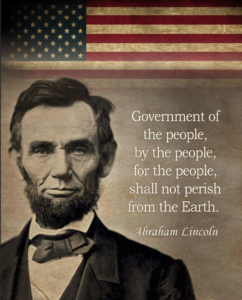 What is now emerging is a reassertion of first principles. The renewed emphasis on enforcement, oversight, and enumerated authority reflects a broader realignment with the constitutional architecture first articulated under the Articles of Confederation and later strengthened by the Constitution and the Bill of Rights. This moment signals a return to the understanding that government exists to serve the people under law—not above it—and that accountability is the mechanism by which legitimacy is preserved.
In case you missed Part I and Part II, they can be read here:
Minnesota In The Spotlight – Part I
Minnesota In the Spotlight – Part II: The Demonstration
Sources / References
1. Minnesota Governor Tim Walz will not seek re-election – Reuters
https://www.reuters.com/world/us/minnesota-governor-walz-will-not-seek-third-term-focus-welfare-fraud-scandal-2026-01-05/
2. Treasury Secretary Scott Bessent announces federal fraud enforcement – Reuters
https://www.reuters.com/world/treasurys-bessent-vows-prosecute-minnesota-fraud-probe-other-states-2026-01-08/
3. DHS Secretary Kristi Noem on nationwide enforcement – Fox News
https://noticias.foxnews.com/media/noem-puts-newsom-notice-vows-california-probe-after-minnesota-fraud-bust
4. Vice President J.D. Vance announces Assistant Attorney General position – Reuters
https://www.reuters.com/world/vance-announces-new-assistant-attorney-general-role-combat-taxpayer-fraud-2026-01-08/
5. House Oversight Committee subpoenas Rep. Ilhan Omar – The Hill
https://thehill.com/homenews/house/589765-rep-nancy-mace-announces-oversight-subpoena-of-ilhan-omar-records
6. Boston SNAP fraud case ($7M “ghost stores”) – Boston Globe / WBUR
https://www.bostonglobe.com/2025/12/17/metro/snap-trafficking-7-million-benefits-boston/
https://www.wbur.org/news/2025/12/17/food-stamp-fraud-charges-snap-benefits-bodegas-mattapan
7. Federal DHS, ICE enforcement operations in Minnesota – AP News
https://apnews.com/article/5f97cefc9adf9c0d14a90762dca3cfc8

Your Tax Free Donations Are Appreciated and Help Fund our Volunteer Website
Disclaimer: We at Prepare for Change (PFC) bring you information that is not offered by the mainstream news, and therefore may seem controversial. The opinions, views, statements, and/or information we present are not necessarily promoted, endorsed, espoused, or agreed to by Prepare for Change, its leadership Council, members, those who work with PFC, or those who read its content. However, they are hopefully provocative. Please use discernment! Use logical thinking, your own intuition and your own connection with Source, Spirit and Natural Laws to help you determine what is true and what is not. By sharing information and seeding dialogue, it is our goal to raise consciousness and awareness of higher truths to free us from enslavement of the matrix in this material realm.