EN
EN FR
FR

The Non-Compete Plan, the Pandemic Operation, and What Deployable Infrastructure Actually Looks Like
The previous six articles traced the administrative project through its philosophical foundations and its institutional expressions — from Blavatsky’s published cosmology to Pike’s Masonic architecture to Crowley’s personal operational toolkit to the Nazi occult interior and the space age it helped produce to Aquino’s militarization of consciousness management to LaVey’s mass-market normalization. At each step the project became more deployable, more scalable, and less visible as what it actually was.
This article arrives at the present. Not the theoretical present of philosophical analysis, but the concrete present of an organization receiving a phone call, sitting in meetings, reviewing documents, and making a decision that the framework developed across five articles of this arc made legible in real time.
The most important thing I can say at the opening of this article is also the most important thing the arc as a whole has been building toward: the difference between knowing that an administrative project exists in the abstract and recognizing it in practice — at the table, in the room, in the offer being made — is the difference between information and discernment. The previous articles provided the information. This article is about what discernment looks like when the offer arrives.
I want to be clear about what this article can establish and what it cannot. The documented evidence I can produce shows a real organization with real global infrastructure making a real approach to real organizations during the COVID-19 pandemic. My firsthand testimony describes what that approach looked like from the inside — the meetings, the product suite, the structure of the offer, and the specific element that made the decision clear. The connection between that organization and the bloodline administrative networks this arc has been tracing was established by highly placed representatives of the dark brotherhood who the organization I was part of has been in direct engagement with at those levels over many years. The two categories of evidence are distinct. Both are real. Both are offered at their appropriate confidence levels. I can add that we have been working with these agents and other similar agents for years to facilitate a compromise and/or surrender to this planetary war which we know will shift powers. Those talks continue to this day and the shift in control moves precariously from day to day.
The difference between knowing that an administrative project exists and recognizing it when it knocks on your door is the difference between information and discernment. The previous articles provided the information. This article is about what discernment looks like in practice.
The Non-Compete Plan: The Corporate Architecture of Control
Kim Goguen’s Global Intelligence Agency reporting has described what she calls the Non-Compete Plan — a coordinated corporate control architecture whose formal launch she dates to 1975. That era roughly encompasses the years that our organizations leaders – the ones previously vetted over decades as “reliable” or “approved” were coordinating with the Resistance Movement from the late 1960’s intelligence agency refugees. In efforts to confuse the movement of then to the same named “resistance movement” of the last decade (those who appear to fight Trump), the Cabal or Dark Brotherhood/Dark Forces use their influence arms to muddy the waters. Bottom line here, the dark side knows that they have to work with the light to achieve the required balance and fulfill the requirements of informed consent which are part of the rules of the structure or covenants created between Source and the adversary(ies).
The framework of the Non-Compete Plan she describes positions it as the operational expression of the bloodline administrative project at the corporate and institutional level: a coordinated system through which bloodline-connected families and their meritocratic administrators gained and maintained control over the world’s major industries simultaneously — pharmaceutical, military, media, finance, healthcare, and political systems.
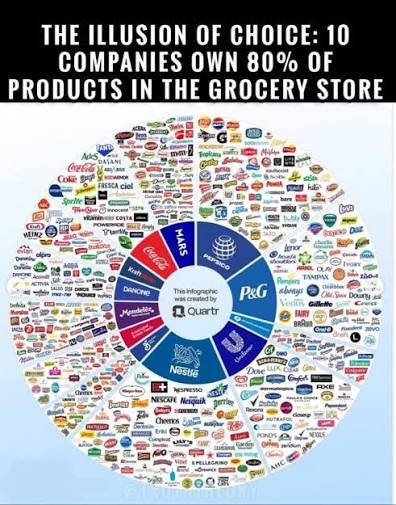
The mechanism is not primarily coercive. It is structural. Control over the supply chains, the distribution channels, the regulatory frameworks, and the capital allocation systems through which goods and services move in the modern economy produces a form of governance that is more durable and less visible than political authority. Political governments change. Corporate infrastructure persists. The populations who depend on that infrastructure cannot easily opt out of it — and cannot easily identify who controls it, since the control operates through multiple layers of legal structure designed precisely to obscure beneficial ownership.
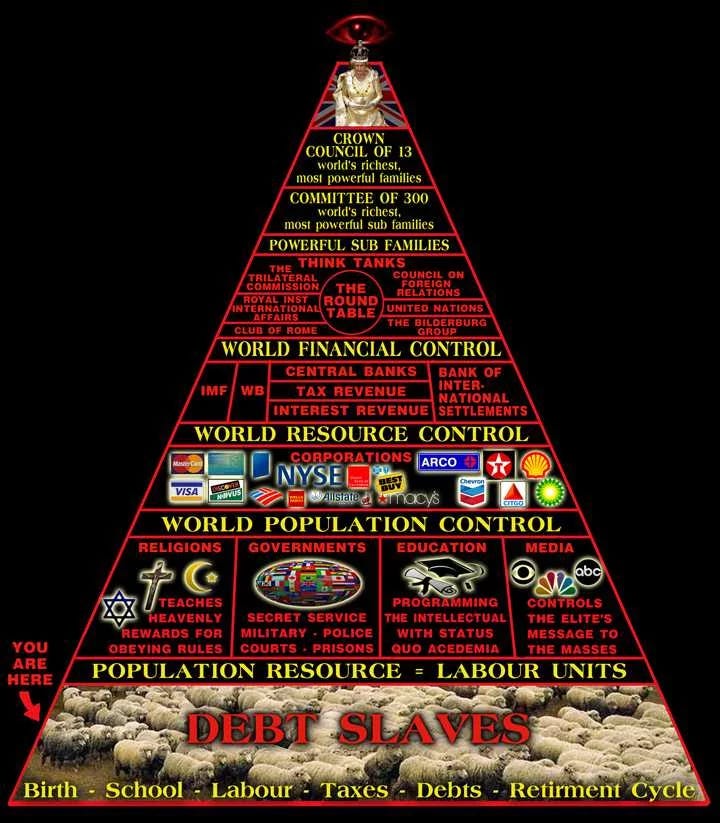
The Non-Compete Plan, in Goguen’s framework, built the corporate expression of what this arc has been tracing at the philosophical and institutional level. The Theosophical tradition provided the cosmological justification. The Masonic degree architecture provided the organizational model. The Thelemic operational methodology provided the personal practice framework. The military psyops layer provided the consciousness management tools. LaVey’s popularization normalized the underlying value system. The Non-Compete Plan provided the corporate infrastructure through which those elements could be deployed at civilizational scale.
This document is Goguen’s very detailed structure of global power with names named and families identified:

Whether one accepts Goguen’s specific framing and dating — and this arc treats her as an assessed-source intelligence whose framework is coherent and whose reporting tracks observable institutional patterns without being independently verifiable in its more specific claims — the pattern she describes is visible in the public financial record. The concentration of ownership across the world’s major industries through the latter half of the twentieth century, the consistent regulatory capture that protected incumbents from genuine competition, the coordinated media narrative management that the Edelman Trust Barometer and Gallup data have documented collapsing — these are observable outcomes consistent with the framework she describes.
SOURCE NOTE — Kim Goguen’s GIA reports are the primary source for the Non-Compete Plan framing. They are treated throughout this arc as assessed-source intelligence held at that confidence level rather than independently verified fact. The corporate concentration and regulatory capture patterns she describes are observable in public financial and regulatory records from multiple independent sources.
War as Business: The Pandemic as Declared Emergency
There is a principle that the administrative project’s operational history illustrates repeatedly: declared emergencies are among the most reliable mechanisms for rapid resource transfer, accelerated regulatory change, and the suspension of ordinary oversight. War has been the most consistently employed version of this mechanism across the twentieth century — not primarily because of genuine geopolitical conflict, though that conflict is real, but because the war economy generates the conditions under which the administrative project can move resources and consolidate control at speeds and scales that peacetime conditions do not permit.
The pandemic declared in 2020 was, in its economic and institutional expression, a war economy. The vocabulary was explicit — we were fighting a war against an invisible enemy, flatten the curve, all hands on deck, wartime production. The financial response was correspondingly extraordinary. The CARES Act alone deployed approximately 2.2 trillion dollars in the United States in the first wave. Global COVID-related spending across governments has been estimated at over sixteen trillion dollars. The procurement systems that distributed those resources operated under emergency protocols that suspended normal competitive bidding, normal oversight mechanisms, and normal accountability structures.
In every war economy in recorded history, the primary beneficiaries of the emergency procurement apparatus have been the suppliers closest to the administrative structures making the procurement decisions. The COVID pandemic was not different in this respect. The PPE shortages, the counterfeit mask flooding of the market, the vaccine contracts issued to companies without prior manufacturing track records at prices that reflected the absence of competitive constraints, the test kit procurement at extraordinary markups — these are documented in the public record and represent the war profiteering layer of the pandemic’s economic expression.
What is less documented — and what the approach this article describes illuminates — is the layer beneath the visible war profiteering. Not simply opportunists taking advantage of emergency procurement gaps, but a coordinated architecture designed in advance to use a declared emergency as the mechanism for a specific operational objective: the extraction of resource commitments from nations that could not afford the solution to the problem the emergency presented.
The pandemic was a declared war against an invisible enemy. War economies generate the conditions under which the administrative project moves resources and consolidates control at speeds that peacetime conditions do not permit. The procurement apparatus was the mechanism. The question is who designed it and for what ultimate purpose.

The Architecture of Pre-Planned Emergency: The World Bank Document
The scale of that architecture becomes visible in a document that received almost no public attention at the time of its release. On April 2, 2020 — three weeks after the WHO pandemic declaration — the World Bank’s Board of Executive Directors approved the COVID-19 Strategic Preparedness and Response Program, a six-billion-dollar lending facility covering twenty-five countries in its first phase, with an overall financing envelope structured to reach fourteen billion dollars in coordination with the International Finance Corporation.
The document is sixty pages. It describes disbursement frameworks, procurement waivers, risk matrices, environmental and social compliance structures, and monitoring protocols. It describes, in other words, a fully built program — not a rapid emergency improvisation but an operational architecture whose development required months of institutional preparation before a single infection had been declared a global health emergency.
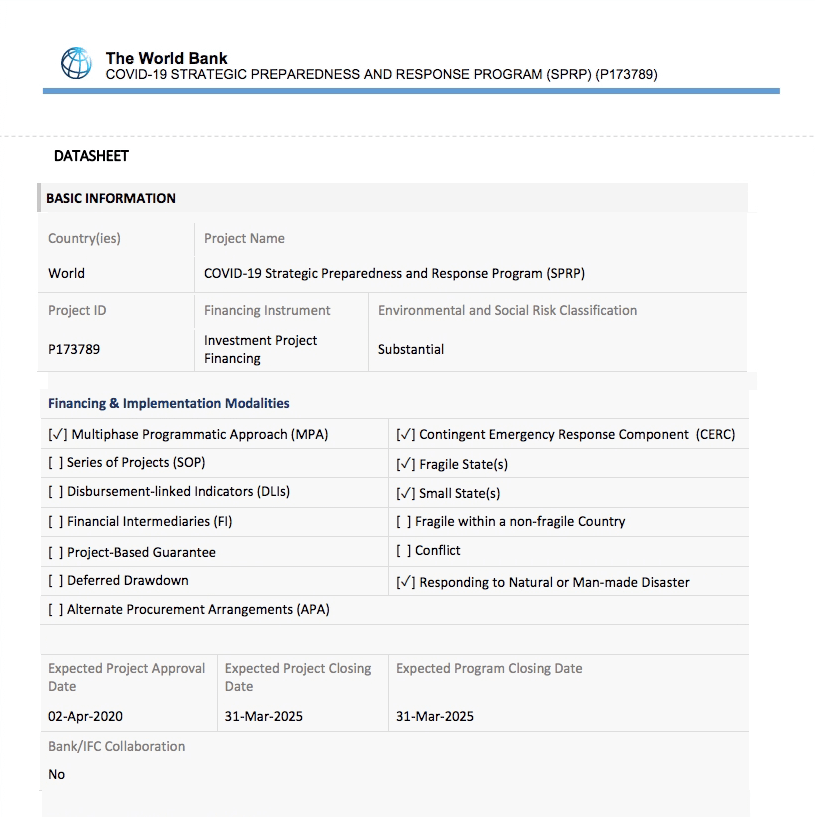
The architects of this program defined its operational window — five years — before the pandemic’s trajectory could have been known by any predictive modeling available to the public. They knew how long the emergency would last because the emergency’s duration was a design parameter, not a discovery.
The most instructive detail is the program’s closing date. The World Bank document, approved on April 2, 2020, lists the Expected Program Closing Date as March 31, 2025. Five years. The architects of this program defined its operational window before the pandemic’s trajectory could have been known by any predictive modeling then available to the public. They knew how long the emergency would last because the emergency’s duration was a design parameter, not a discovery.
This detail acquires additional weight when placed against the October 2019 Event 201 simulation — the Johns Hopkins Center for Health Security, World Economic Forum, and Bill and Melinda Gates Foundation tabletop exercise that modeled a global coronavirus pandemic eighteen months before one was declared. The Event 201 outputs included specific recommendations about emergency procurement frameworks, international financial institution response coordination, and the role of supranational bodies in managing both the health and economic dimensions of a declared pandemic. The World Bank SPRP document’s architecture maps closely enough to those recommendations that it reads less as improvised crisis response and more as implementation of a plan whose parameters were already established.
SOURCE NOTE — The World Bank COVID-19 Strategic Preparedness and Response Program (SPRP, Report No. PCBASIC0219761) is a publicly available document approved April 2, 2020 and accessible through the World Bank’s project database. The Expected Program Closing Date of March 31, 2025 appears on the document’s Datasheet (Page 1). Event 201 materials, including the full simulation summary and policy recommendations, are publicly archived by the Johns Hopkins Center for Health Security. The connection between Event 201 recommendations and the SPRP’s institutional architecture is this author’s assessed reading of both documents held at that confidence level.
The mechanism of extraction is plain in the document’s own language. The recipient nations in Phase 1 — Afghanistan, Ethiopia, Haiti, Yemen, Sierra Leone, the Democratic Republic of Congo, Tajikistan — are among the world’s most resource-constrained fragile states. The financing is structured as IDA credits and IBRD loans. The nations that received grants rather than credits were, without exception, those with insufficient creditworthiness to carry debt even at concessional terms.
The pandemic response, framed as humanitarian assistance, was at its financial core a debt issuance event. Nations were being extended credit to pay for the infrastructure of emergency — and the conditions attached to that credit, embedded in the document’s compliance frameworks, implementation arrangements, and results monitoring requirements, would govern their institutional behavior long after the declared emergency closed. The World Bank does not extend credit without policy conditions. That is not a conspiracy claim. It is the institution’s published operating model, stated in its own documentation.
Set against the sixteen trillion dollars in global COVID-related government spending the broader pandemic response generated — and the two-point-two trillion dollars the CARES Act alone deployed in the United States — the World Bank’s fourteen-billion-dollar envelope appears modest. What makes it structurally significant is not the dollar amount but the leverage ratio. A six-billion-dollar lending facility attached to the fragile states of the developing world, issued under emergency protocols that suspended normal competitive and oversight requirements, converts a health emergency into a permanent institutional relationship on terms the borrowing nation did not set and cannot easily exit.
The surface layer was PPE fraud and vaccine contract irregularities. The structural layer was the conversion of a declared health emergency into a sovereign debt event at global scale, using international financial institution machinery that the document’s own timeline reveals was prepared before the emergency arrived.
This is the layer beneath the visible war profiteering. The surface layer — the PPE fraud, the counterfeit masks, the vaccine contracts issued to companies without prior manufacturing track records, the test kit markups documented in congressional investigations on both sides of the Atlantic — was real and large and largely unpunished. But it was the opportunist layer. The structural layer was different in character and in consequence.
The structural layer was the conversion of a declared health emergency into a sovereign debt event at global scale, administered through institutional machinery whose preparation timeline — visible in the World Bank document’s own approval date and closing date — predates the emergency it claims to be responding to. The opportunists profited from the chaos. The architects profited from the architecture.
ASSESSED INTELLIGENCE – The interpretation advanced here — that the SPRP’s preparation timeline and five-year operational window constitute evidence of advance planning rather than rapid response — is this author’s analytical assessment based on the document’s own dates, the Event 201 precedent, and the broader pattern this arc has documented across eight articles. It is offered at the assessed-intelligence confidence level, not as independently verified fact. The document is real. The dates are real. The inference about what those dates mean is mine, and readers should hold it accordingly.
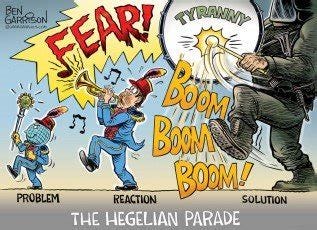
What Deployable Infrastructure Looks Like When It Arrives
In the early months of the COVID-19 pandemic, Prepare for Change and its affiliated organizational network — operating under a legally established corporation umbrella — received an approach from Golden Dragon International Holdings, a globally distributed holding company with documented operations across energy, logistics, pharmaceutical distribution, and security sectors spanning multiple continents.
The approach was framed as a joint venture opportunity. GDIH had access to a comprehensive suite of pandemic response products — personal disinfection tunnels, thermal screening systems, spray drones, mobile medical units, personal protective equipment at scale, ventilators, rapid testing kits. The product suite was real, documented, and represented a genuinely comprehensive pandemic response infrastructure. Exclusive distribution rights for California, Nevada, and Latin America were offered. The investment threshold to activate the partnership was substantial but within range for an organization with PFC’s network and fundraising capacity.
We took the meetings. We reviewed the documentation. We raised capital to demonstrate serious consideration and meet the operational threshold. The products were real. The infrastructure was real. The distribution opportunity was real. The financial terms were real.
FIRSTHAND ACCOUNT — What became visible during the due diligence process was the structure underneath the product suite. The mechanism was not simply pandemic response distribution. It was the deployment of a humanitarian infrastructure — fronted by figures of institutional credibility including, in the plan as described, a respected American military general operating through Red Cross channels — to approach third world governments with an offer they could not afford to refuse. The PPE and medical infrastructure would be provided. Where governments lacked the financial capacity to pay, the consideration would be natural resource rights. The Belt and Road model applied to pandemic response. The humanitarian frame concealing a resource extraction operation. At this juncture we stopped our participation.
The decision was not primarily strategic. It was the barometer applied in real time. The question the previous five articles of this arc had been building the framework to ask — what does this operation do to the people inside it, does it move them toward genuine liberation or toward a new form of administration — had a clear answer when the full structure of the offer became visible. The populations receiving the humanitarian response would exit the arrangement with their natural resource rights signed over to entities whose beneficial ownership was structured precisely to prevent identification. The form of the offer was humanitarian. The function was extraction.
The consent mechanism — which this arc examined in the context of the Law of Balance and the 71/29 ratio Goguen describes — was present in the structure of the approach. The dark cannot simply take. The form of agreement must be maintained. Organizations like PFC, with genuine humanitarian credibility and global network reach, were being recruited as the consent mechanism — the legitimate face through which populations and governments would accept an arrangement whose ultimate beneficiaries were not the populations being served.
We declined. Others did not. The pandemic response infrastructure that was deployed globally — the vaccine contracts, the PPE procurement, the hospital protocol systems — reflects, in its documented financial outcomes, an operation whose primary beneficiaries were not the populations it was nominally protecting.
The approach described here is firsthand testimony offered at that confidence level. The documents that accompanied the approach exist and have been described in this arc. The specific organizational connections to bloodline administrative networks are my assessed intelligence from years of direct engagement at those levels. The structure of the operation is visible in the public financial record of pandemic response procurement. The pattern is the evidence.
The Plan in Action
What the Golden Dragon International Holdings approach — described in the firsthand account section above — revealed from the inside is the operational expression of what the World Bank document reveals from the institutional outside. The product suite was real. The humanitarian frame was real. The resource extraction objective underneath both was the feature, not the bug. The Golden Dragon approach was the granular version — one organization, specific territories, specific resource targets. The SPRP was the civilizational version — the entire developing world, a five-year operational window, and the machinery of international financial compliance as the extraction mechanism.
The war economy generates the conditions. The declared emergency suspends the oversight. The institutional response — prepared in advance, administered under emergency protocols, and structured as debt rather than assistance — converts the emergency into a permanent relationship. This is what the administrative project’s war-economy mechanism looks like at the scale of civilizational operation. Not conspiracy. Architecture.
Not conspiracy. Architecture. The emergency was the door. The debt was the lock. The five-year operational window was always the plan.
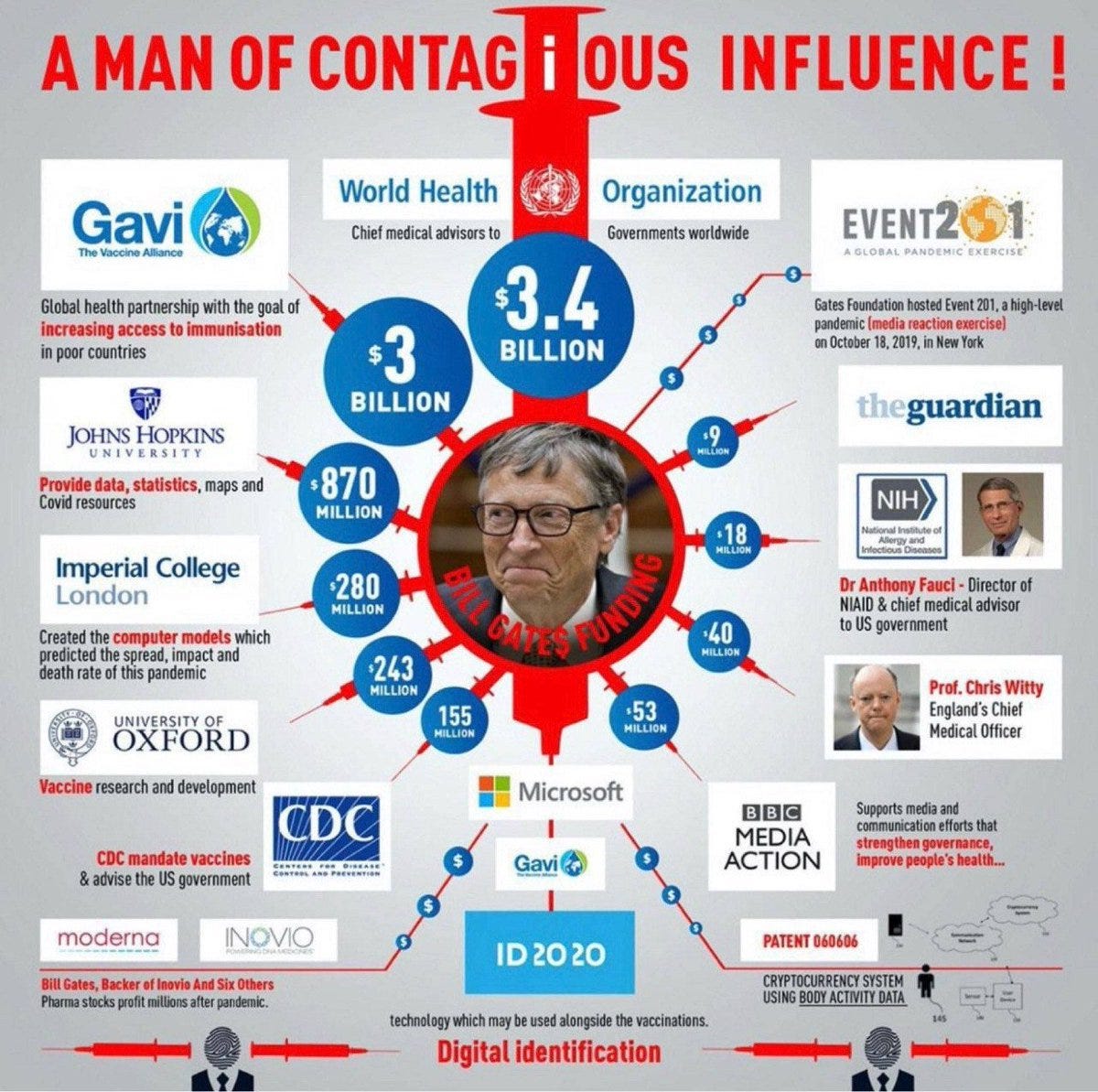
There is always a fog of war that exists due to the confusion of the moment created by fear. Then there are those who take advantage of the situations that war causes. Classic movie buffs will remember the role of Rhett Butler (Clarke Gable) in Gone With the Wind who profits off of war and designed as a romantic champion. In reality, when the war on the virus broke out, global organizations fell on prey as these images, seen through the informed lens depict:
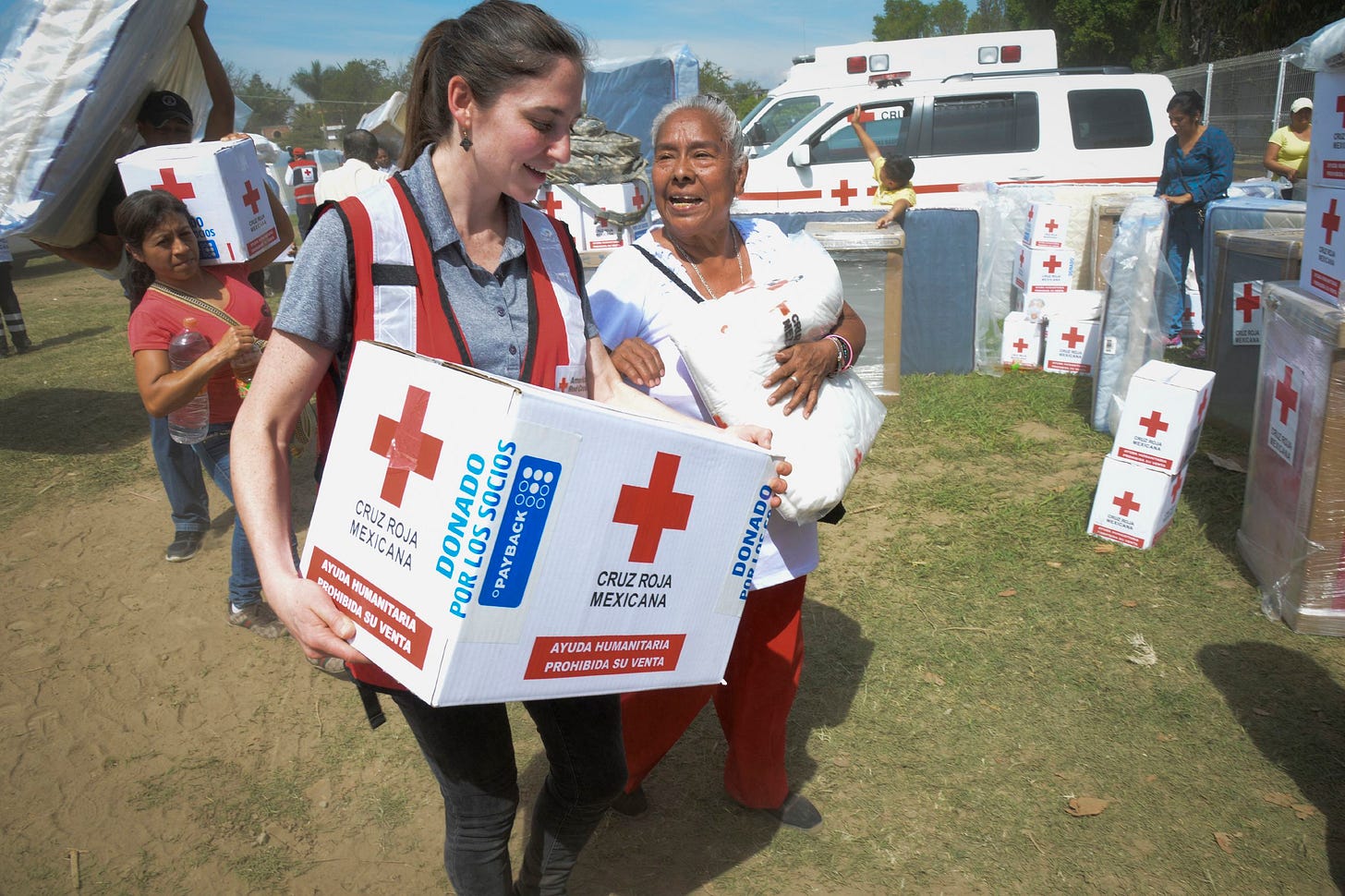
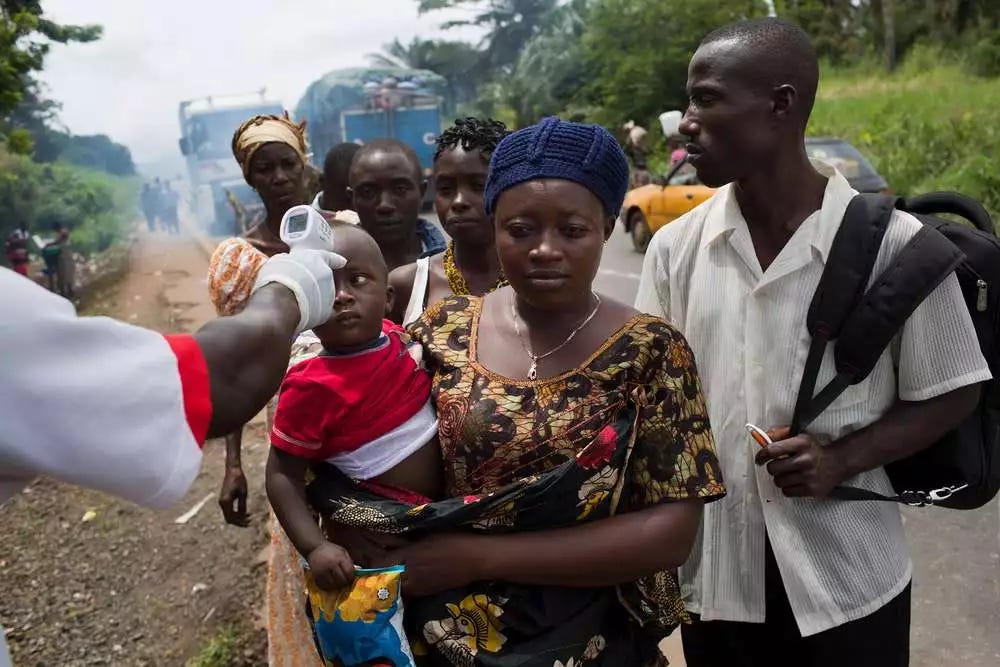
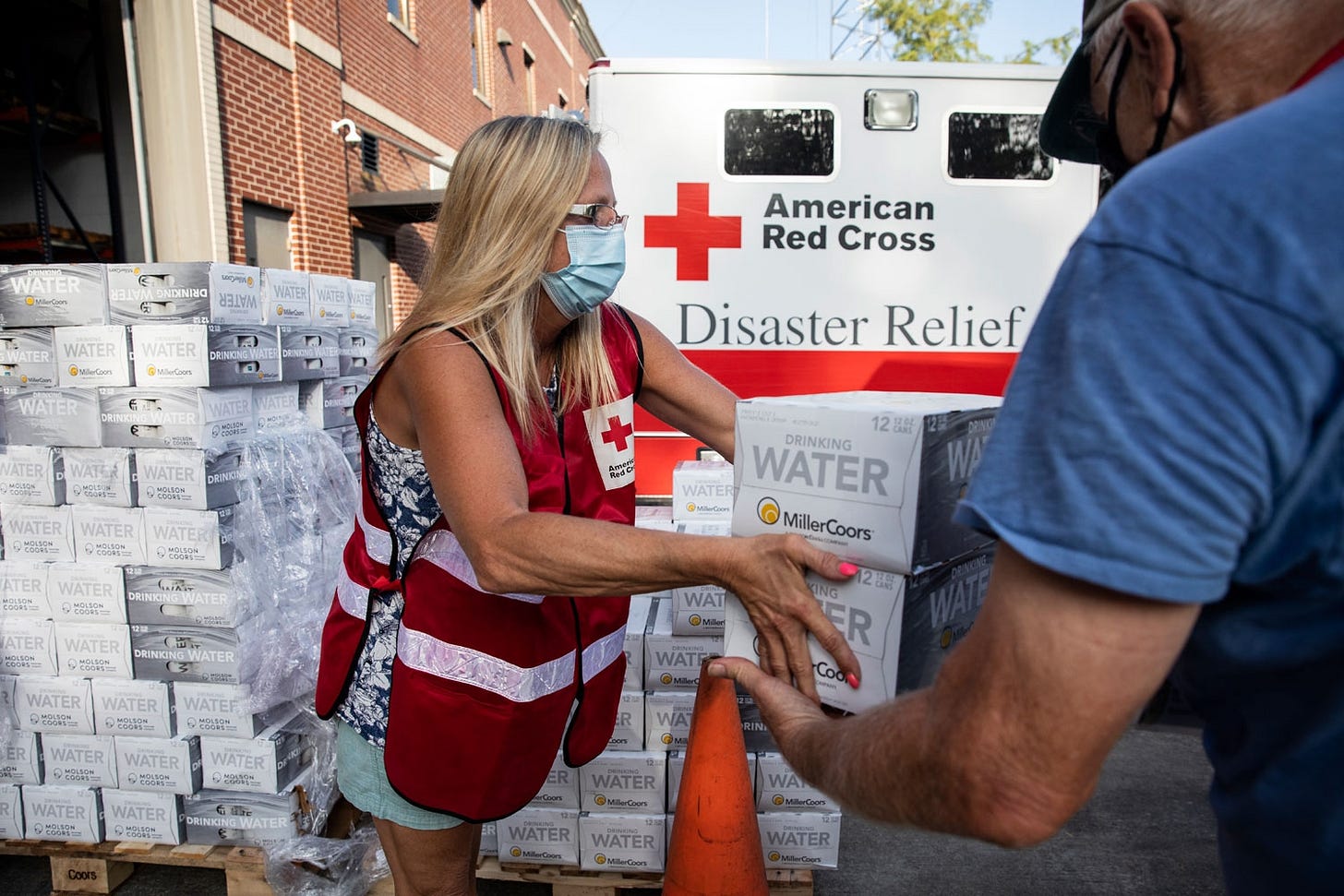
Of course we needed a response, but to what end and certainly history would show a lot of waste – similar to the grift of the Ukraine war. During these emergencies, economic fundamentals get thrown out. But sooner or later, the bill will come around.
What the System Is Designed Not to Document
There is a principle within the highest levels of the orders this arc has been examining — one that Pike encoded in Morals and Dogma when he wrote that Masonry uses false explanations to mislead those who deserve only to be misled. The inner teaching is transmitted orally. The most consequential agreements, the most significant commitments, the most binding arrangements are made in spoken language that leaves no paper trail. This is not incidental to the system. It is architectural.
The specific term for this practice in certain lodge traditions is sometimes rendered as the Spoken Word — the principle that the highest-level knowledge and the most binding obligations are transmitted and received verbally, witnessed only by those present, leaving no documentary evidence that could constitute legal proof of the arrangement in any ordinary evidentiary sense. It is the ultimate expression of the two-tier knowledge system this arc has been tracing: the outer form is documentable and inspectable, the inner substance is structured to be invisible to anyone outside the circle of those directly involved.

I have sat in rooms where this principle was operative. I have been party to agreements made under protocols specifically designed to prevent documentation. I have seen written books of curses — language that functions outside the ordinary register of rational communication, what some traditions call Light Language — deployed in contexts where the intent was to bind or compel rather than to inform or persuade. I have attended negotiations between factions at levels of the administrative hierarchy that rarely acknowledge each other publicly. I have facilitated some of those meetings and attended others.
I am not naming names. The NDAs that governed some of those interactions remain active. The operational security considerations that have governed this work for decades do not disappear because the work is now being published. What I am offering is the testimony of someone who has been inside these circles sufficiently to understand them from the inside — and who chose, at multiple decision points, the gnostic departure that Article 9 will examine in full.
The reason I offer this testimony at all — the reason this arc exists — is the principle the EWTRW series established and this arc has been building on. Information is data. What you do with it is the measure. The people who need this information to navigate the current transition are not served by a platform that withholds what it knows because what it knows is uncomfortable or unprovable by ordinary evidentiary standards. They are served by a platform that offers what it knows with precision about what kind of knowing each piece represents.
This is my testimony. It is offered as such. It coheres with the documented record this arc has assembled and with the pattern the documented record establishes. Whether it is sufficient for any reader’s purposes is for that reader to determine.
Those who say don’t know, and those who know don’t say. That principle has protected the administrative project’s inner workings from ordinary accountability for centuries. This platform exists in the space between those two positions — knowing enough to be useful, saying what can be said with appropriate precision about what kind of knowing it represents.
The Pattern: From Philosophy to Deployable Infrastructure
The arc this series has traced — from Blavatsky’s published cosmology through Bailey’s institutional architecture through Pike’s Masonic degree system through Crowley’s personal operational toolkit through the Nazi occult interior through Aquino’s military psyops layer through LaVey’s mass-market normalization to the pandemic administrator recruitment operation — is not a straight line of conscious coordinated conspiracy. It is something more complex and more durable than that.
It is a philosophical tradition that generates, in each era and each institutional context, the specific deployable infrastructure appropriate to that context. The philosophy provides the cosmological justification — the administrative arrangement is legitimate because the beings authorizing it are the legitimate administrators of this realm. The institutional machinery provides the organizational capacity to implement it. The operational methodology provides the personal practice framework for individuals seeking access to the power the arrangement offers. The cultural normalization provides the population-level consent architecture. And the war-economy mechanism provides the periodic opportunity to consolidate and extend control under cover of emergency.
The pandemic operation this article describes was one expression of that pattern in the current era. It was not unique. It was the standard mechanism applied to an extraordinary circumstance — a global declared emergency generating the war-economy conditions under which the administrative project’s resource extraction and control consolidation operations proceed most efficiently. The specific organizations involved, the specific products deployed, the specific resource extraction targets — these are the details of this iteration. The pattern is older than any of them.
What distinguishes the current moment from previous iterations of the pattern is the compression zone’s effect on the pattern’s visibility. The frequency rise that Article 2B examined is real and its effects on the administrative project’s operational capacity are visible in the accelerating incoherence of its narrative management, the fracturing of its institutional control, and the growing number of people who can see the pattern clearly enough to name it.
This arc is one expression of that growing visibility. Not the only one. Not the most important one. But a careful, documented, honestly sourced contribution to the collective intelligence that the transition requires.
The next article examines the current technological frontier of the administrative project — Silicon Valley, artificial intelligence, and what it means that the people building the most consequential technology in human history are reaching for the vocabulary of summoning, demonic contact, and god creation to describe what they are doing.
Eyes to see it.
The Arcane Blueprint — Series Roadmap
Article 1 — The Plan in Plain Sight: Blavatsky and Bailey [Published]
Article 2 — The Architect and the Doctrine [Published]
Article 3 — The Operational Methodology: Crowley, Thelema, and the Translation of Philosophy into Practice [Published]
Article 4 — The Black Sun Thread: Vril, Von Braun, Disney, and the Space Age as Occult Project [Published]
Article 5 — The Military Psyops Layer: Aquino, the Temple of Set, and the Institutionalization of the Methodology [Published]
Article 6 — The Popularization Engine: LaVey, Cultural Programming, and the Normalization Layer [Published]
Article 7 — The Modern Administrative Layer: The Pandemic Operation and Administrator Recruitment in Practice [You are here]
Article 8 — Silicon Valley, Technocratic Materialism, and the Final Expression
Article 9 — The Gnostic Departure and the Counter-Current
— Gerry
Gerry Gomez is an investigative journalist, creative director, and hybrid war correspondent who has spent a decade documenting the convergence of financial, media, and geopolitical forces shaping the current global transition.

Your Tax Free Donations Are Appreciated and Help Fund our Volunteer Website
Disclaimer: We at Prepare for Change (PFC) bring you information that is not offered by the mainstream news, and therefore may seem controversial. The opinions, views, statements, and/or information we present are not necessarily promoted, endorsed, espoused, or agreed to by Prepare for Change, its leadership Council, members, those who work with PFC, or those who read its content. However, they are hopefully provocative. Please use discernment! Use logical thinking, your own intuition and your own connection with Source, Spirit and Natural Laws to help you determine what is true and what is not. By sharing information and seeding dialogue, it is our goal to raise consciousness and awareness of higher truths to free us from enslavement of the matrix in this material realm.